
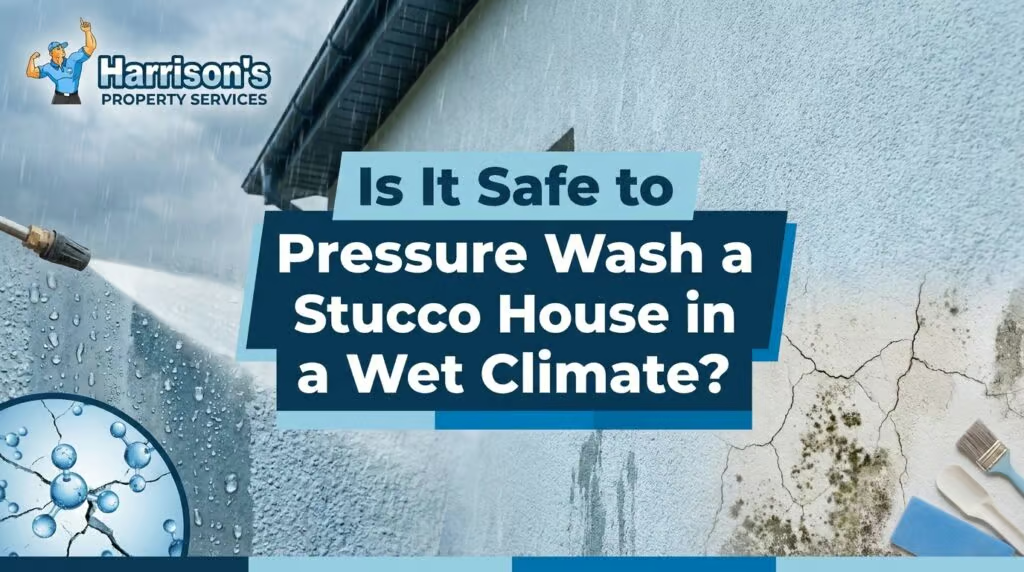
The short answer is yes, but only under very specific conditions. Stucco is a cement-based finish that looks tough but behaves like a sponge. Its textured surface and microscopic pores absorb water readily. In a wet climate, that natural porosity becomes the central risk factor. The question “Is it safe to pressure wash a stucco house in a wet climate?” is really about managing moisture load. High-pressure water can force liquid into cracks, behind the stucco layer, and into the sheathing below, where it causes mold, rot, and long-term structural decay.
We always start by thinking about drying time. In a humid or rainy region, stucco that gets saturated may take days to release moisture. If you pressure wash on an overcast morning before a day of drizzle, that water may never fully dry. That trapped moisture is far more damaging than the surface dirt you are trying to remove. The safe approach is to inspect for damage, use low pressure or soft washing, and never treat stucco like vinyl siding or concrete block.
Understanding Stucco’s Porous Nature and Moisture Risks
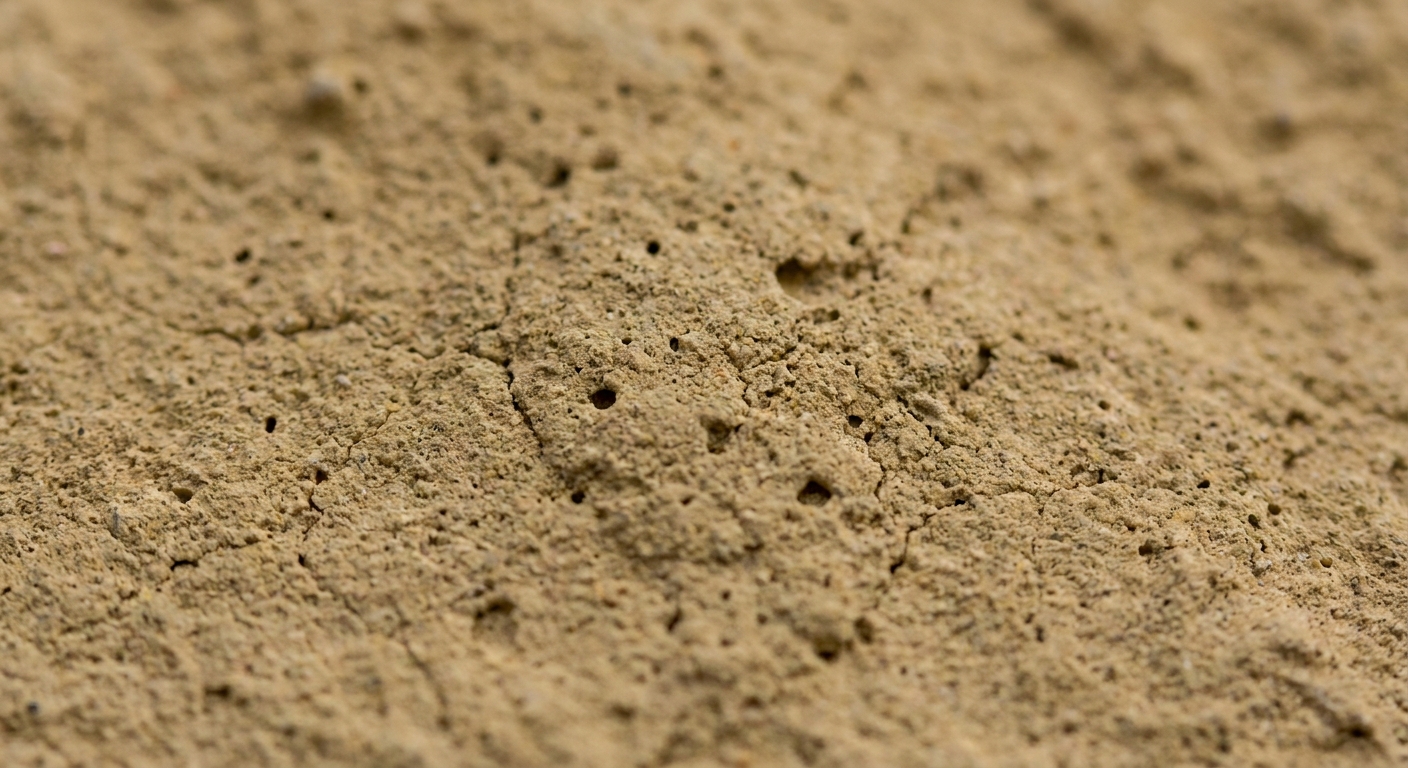
Stucco is a mixture of Portland cement, lime, sand, and water. Once cured, it forms a hard, durable shell. But because it is applied as a wet plaster and troweled to create texture, it develops thousands of tiny voids and capillary channels. These pores are part of what gives stucco its classic appearance, but they also make it uniquely vulnerable to water intrusion.
Why Stucco is Highly Porous
Unlike smooth painted wood or vinyl, stucco has a rough, open surface. The sand aggregate and trowel marks create a network of crevices that can hold onto dirt, algae, and moisture. Even unpainted stucco contains exposed calcium carbonate and lime, which are hydrophilic. This means the material actively pulls water into its matrix. A single square foot of stucco can retain a surprising amount of liquid, especially if the surface has aged and become more porous over time.
How Moisture Absorption Affects Structural Integrity
When stucco absorbs water, the moisture does not just sit on the surface. It migrates inward through capillary action. If the water reaches the metal lath or the wood framing behind the stucco, it can trigger corrosion, wood rot, and breakdown of the water-resistive barrier. Repeated wet-dry cycles also cause the stucco itself to expand and contract, which leads to micro-cracking. Those micro-cracks then allow even more water to enter during the next rain or cleaning, accelerating the cycle.
Relevance to Pressure Washing Decisions
Because stucco is porous, any cleaning method that introduces water under pressure can force moisture deeper than a garden hose would. A pressure washer at 2,500 psi can drive water into cracks that are invisible to the naked eye. In a wet climate, this is especially dangerous because the surrounding air is already humid, so the stucco has less opportunity to dry by evaporation. The safety of pressure washing therefore depends entirely on how you manage pressure, angle, and drying conditions.
The Dangers of Moisture Intrusion Behind Stucco
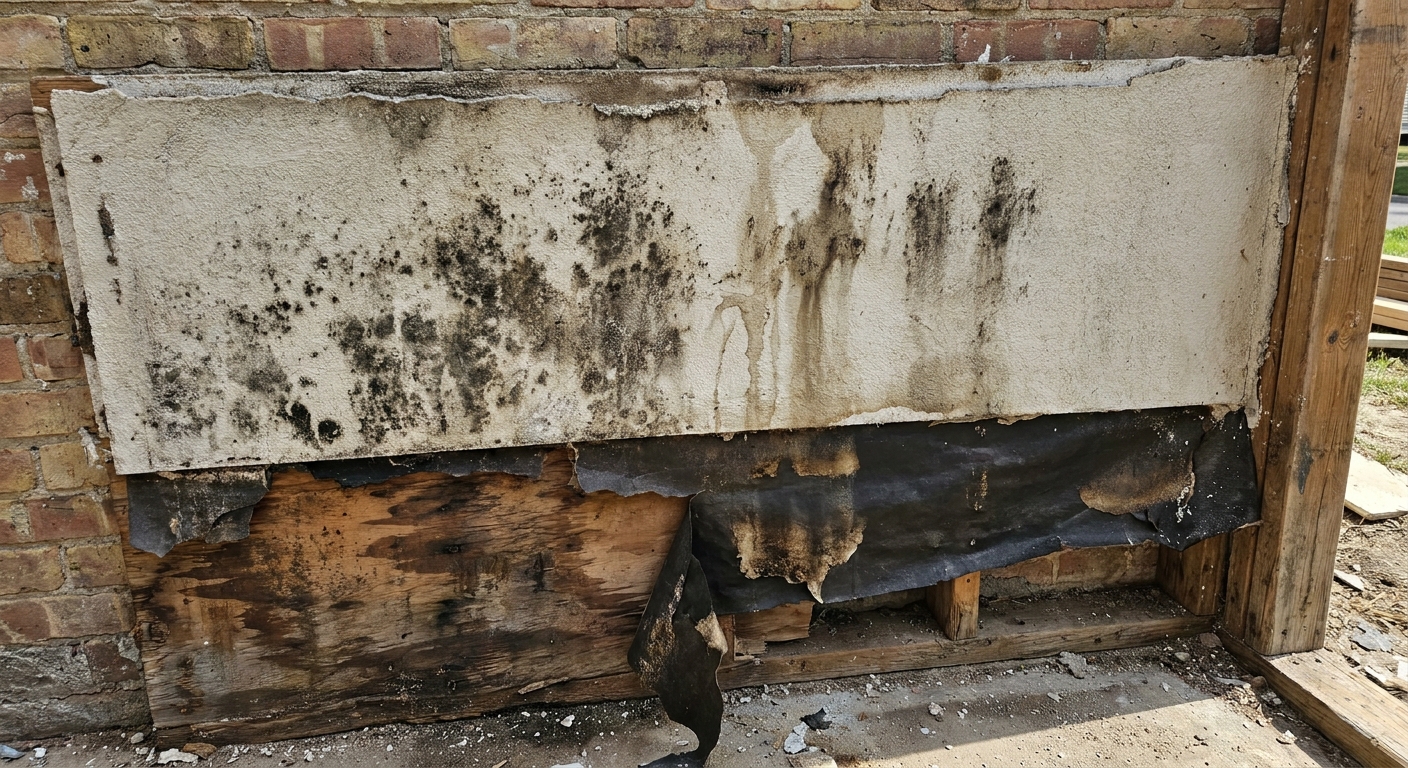
Moisture that gets behind stucco rarely dries quickly. The space between the stucco and the building paper or sheathing can be dark and poorly ventilated. This creates an ideal environment for biological growth and slow structural damage that may go unnoticed for years.
Potential for Mold and Mildew Growth
Once water is trapped behind the stucco layer, mold and mildew can begin growing within 24 to 48 hours. These fungi feed on the paper facing of drywall, wood sheathing, and even the organic binders in some stucco mixes. The growth often starts behind the wall, invisible from the exterior. By the time you see dark staining on the interior drywall or smell a musty odor, the colony may already be extensive.
Structural Decay from Water Damage
Wood framing that remains damp loses its strength. The sheathing can delaminate, and fasteners can corrode. Over time, the wall assembly may sag or develop soft spots. In severe cases, the structural connection between the stucco and the framing can fail, requiring expensive repairs that go far beyond cleaning. Pressure washing is one of the few activities that can actively push water into these hidden cavities, turning a cosmetic cleaning job into a structural problem.
Long-Term Consequences in Damp Climates
In a wet climate, the risk is amplified because the building materials may never fully dry between rain events. A home that gets pressure washed and then experiences several days of drizzle may hold that moisture for weeks. This persistent dampness can lead to freeze-thaw damage in colder months, where water inside the stucco pores expands as ice and cracks the surface from within. The result is accelerated deterioration, spalling, and the need for premature stucco replacement.
How Rain and Humidity Affect Pressure Washing Safety
Even if you use a low-pressure setting, the local weather patterns determine whether the cleaning is safe. We always check the forecast before scheduling any stucco work, and we recommend avoiding pressure washing unless there is a clear window of dry, mild weather.
Impact of Frequent Rain on Drying Time
Stucco needs time to release the water it absorbs. In a climate with frequent rain, that drying time can be extended from one day to five or more. If you pressure wash on Monday and it rains Tuesday and Wednesday, the stucco may still be wet the following week. The longer the moisture lingers, the greater the risk of mold and structural damage. We look for a stretch of at least two or three dry days with low humidity before considering any water-based cleaning.
High Humidity and Moisture Retention
High humidity slows evaporation because the air is already near its saturation point. Stucco cannot dry effectively when the relative humidity is above 70 or 80 percent. In coastal or rainy regions, this means many summer mornings are poor candidates for pressure washing. The safest time is often a dry, breezy afternoon in early fall or late spring, when the air is drier and the sun can help draw moisture out.
Biological Growth Risks in Wet Conditions
Wet climates naturally promote the growth of algae, moss, and mildew on stucco. These organisms hold moisture against the surface, further slowing drying and creating acidic byproducts that can etch the cement. If you pressure wash without addressing the biological growth, you may simply redistribute the spores and leave behind enough moisture for a new colony to thrive. Soft washing with a properly formulated cleaning solution is often better at killing the growth at its source, without saturating the wall.
Pre-Pressure Washing Inspection for Cracks and Damage
We never begin any stucco cleaning without a thorough inspection. The presence of even a single hairline crack can turn a routine wash into a major water intrusion event. Inspection is not about finding excuses to avoid cleaning; it is about protecting the home from hidden damage.
Identifying Vulnerable Areas
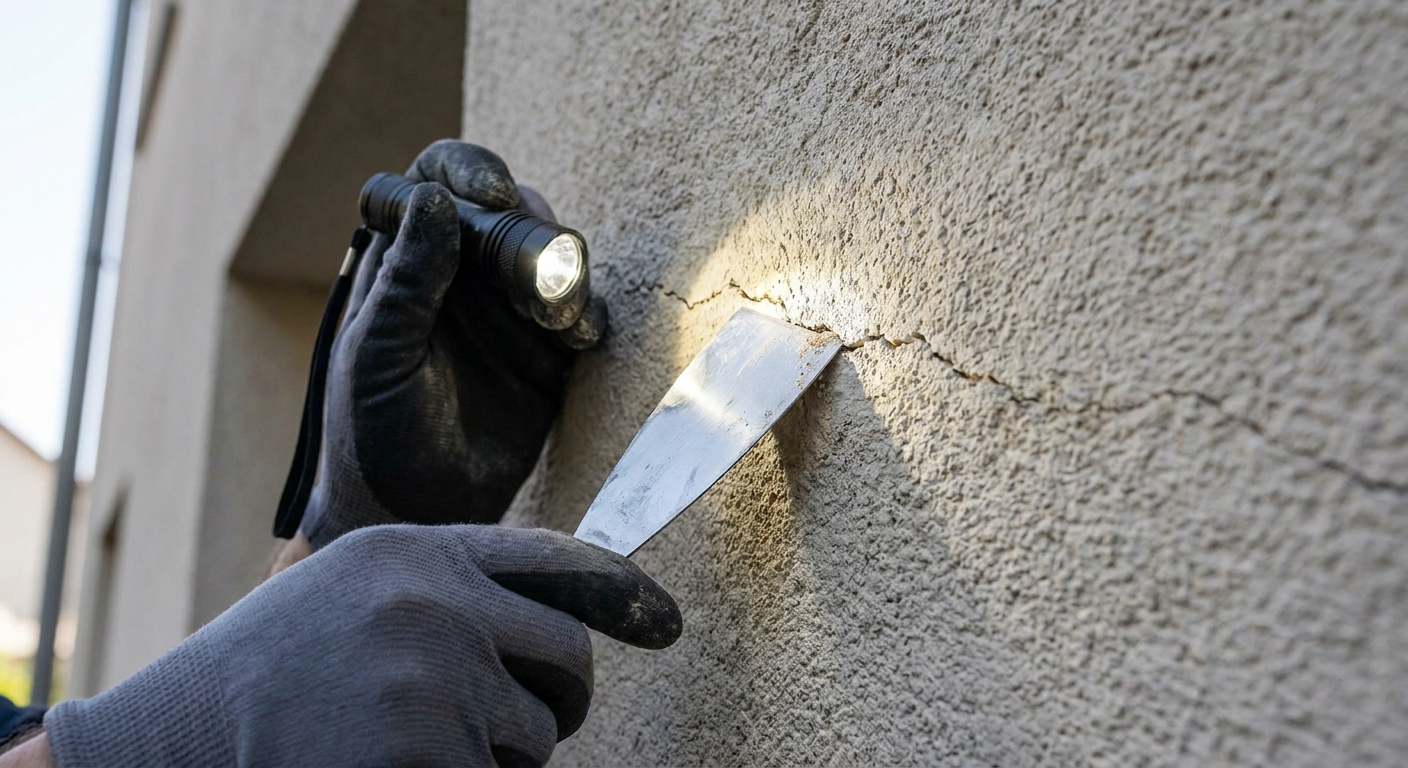
Common vulnerable spots include around window and door frames, where stucco meets dissimilar materials, at the base of walls near soil or splashback, and anywhere the surface has been penetrated by pipes, vents, or light fixtures. We run a bright light at a low angle across the surface to reveal hairline cracks that are otherwise invisible. We also look for areas where the stucco sounds hollow when tapped, which can indicate delamination from the substrate.
Importance of Repairing Cracks Before Washing
Any crack wider than a hairline should be sealed before water is applied. We use an elastomeric sealant or a compatible stucco patching compound, depending on the size and location of the crack. The repair must cure fully before any washing takes place. If you pressure wash over an unsealed crack, the water jet will widen the opening and force water directly behind the stucco. That single mistake can cause more damage than years of normal weathering.
Assessing Overall Stucco Condition
Beyond cracks, we look for signs of past moisture problems: efflorescence (white chalky deposits), rust stains from metal lath, soft or crumbly areas, and paint that is blistering or peeling. These are clues that water is already getting in. In such cases, pressure washing is generally not advisable. A soft wash or manual cleaning with a very low-pressure rinse is the safer route until the underlying issues are addressed.
Safe Pressure Washing Techniques for Stucco
If conditions are right and the stucco is in good condition, a low-pressure wash can be done safely. We treat this as a delicate process, not a high-volume commercial job. The goal is to remove surface dirt without forcing water into the wall assembly.
Using Low Pressure and Proper Nozzles
We never exceed 1,500 psi on stucco, and often we use less. The pressure washer is fitted with a 40-degree or 65-degree nozzle tip to spread the water over a wider area and reduce impact force. A 0-degree or 15-degree tip has no place on stucco; they can etch the surface and open up cracks. Many professional soft wash systems operate below 500 psi, relying on cleaning chemistry rather than pressure to do the work.
Maintaining Correct Distance and Angle
The nozzle should be held at least 24 inches from the surface, and the spray should hit the stucco at a downward 30 to 45-degree angle. Spraying straight at the wall at 90 degrees drives water directly into pores and behind edge details. The downward angle lets gravity help water run off the surface rather than soak in. We work in small sections, moving slowly and overlapping passes without lingering on any one spot.
Avoiding Common Mistakes That Cause Damage
The most common mistakes are using too much pressure, holding the nozzle too close, spraying upward under the bottom edge of stucco panels, and washing on a hot sunny day when the surface is dry and porous. We also avoid pressure washing during or immediately after rain, when the stucco is already saturated. If you see water beading oddly or running down the wall in sheets, the surface is likely already saturated, and continued washing will only add more water.
Soft Washing: A Safer Alternative for Stucco
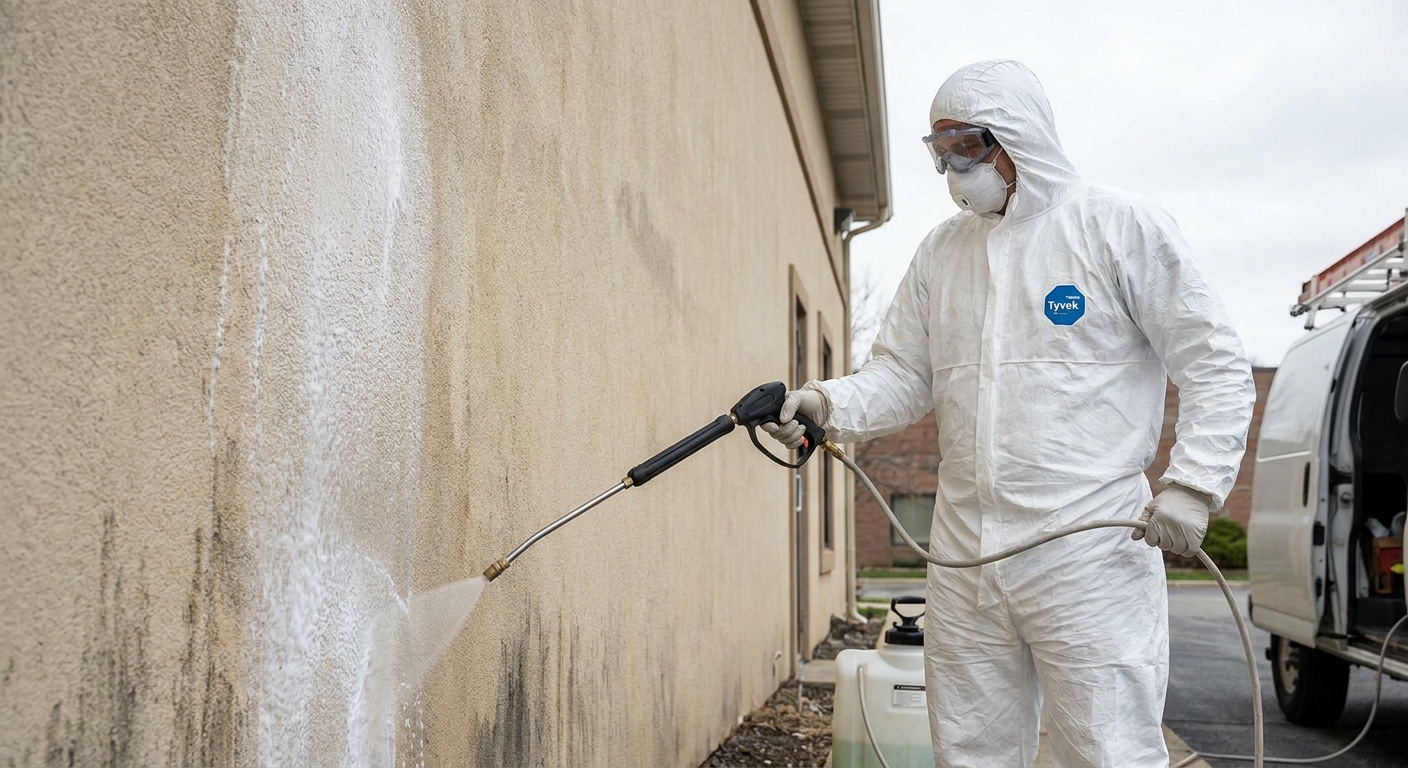
For most stucco homes in wet climates, we recommend soft washing over traditional pressure washing. Soft washing uses a biodegradable cleaning solution, a very low-pressure spray, and a gentle rinse. It removes dirt, algae, and mildew without the force that causes moisture intrusion.
How Soft Washing Works
Soft washing relies on a water-based cleaning solution that is applied to the stucco surface at low pressure, typically using a pump sprayer or a soft wash system. The solution is allowed to dwell for a short time to break down dirt and kill biological growth. Then the surface is rinsed with a low-pressure stream of water. The chemistry does the heavy lifting, not the water pressure.
Benefits Over Traditional Pressure Washing
Because soft washing uses very little pressure, it does not force water into cracks or behind the stucco. It also uses less total water, which means the wall dries faster and is less likely to stay wet long enough to support mold. Soft washing can safely remove organic stains and black algae that pressure washing alone often leaves behind. The result is a cleaner surface with far lower risk of structural damage.
Our approach is simple: we treat every exterior as if it were our own, so we always recommend the lowest-risk method that will still achieve a clean surface. For stucco, that usually means soft washing or hand cleaning with a gentle rinse.
Suitability for Wet Climates
In a wet climate, soft washing is especially valuable because it minimizes the amount of water added to the wall. The cleaning solution can be applied in dry weather and allowed to work, then rinsed with a low-volume spray. The wall is left damp, not saturated. This reduces drying time and the chance that moisture will linger until the next rain. For homes that already show signs of moisture-related damage, soft washing is almost always the safer choice.
When to Consult a Professional Stucco Cleaner
There are times when the safest decision is to step back and bring in professional help. If you see cracks, efflorescence, bulging stucco, or signs of interior moisture, pressure washing is not a weekend project. A professional can assess the wall assembly, recommend repairs, and choose a cleaning method that protects the home’s long-term health.
Signs You Need Expert Help
Call a professional if you notice any of the following: visible cracks wider than a credit card, soft or crumbly stucco, dark staining that reappears after cleaning, musty odors near exterior walls, or peeling paint that exposes raw stucco. These signs suggest water is already entering the wall, and any additional water from pressure washing will make the problem worse. A professional can identify whether the issue is surface-level or structural.
Benefits of Professional Assessment and Cleaning
A professional stucco cleaner brings the right equipment, low-pressure soft wash systems, and the experience to read a wall’s condition. We can perform a moisture meter check on the sheathing, identify hidden delamination, and recommend a cleaning schedule that works with the local weather patterns. Most importantly, a professional will not pressure wash a stucco home that is already vulnerable. That restraint is often the most valuable part of the service.
Ensuring Long-Term Protection for Your Home
After cleaning, a professional can apply a breathable water repellent or recommend a suitable paint or sealant that allows moisture vapor to escape while reducing liquid water absorption. This step helps keep stucco cleaner longer and reduces the risk of future water intrusion. In wet climates, regular gentle cleaning and prompt crack repair are the most effective ways to protect your stucco and avoid costly structural repairs down the road.
If you are unsure whether your stucco can handle pressure washing, contact us for a professional assessment. We will inspect the surface, recommend the safest cleaning method, and help you keep your home dry and healthy.