
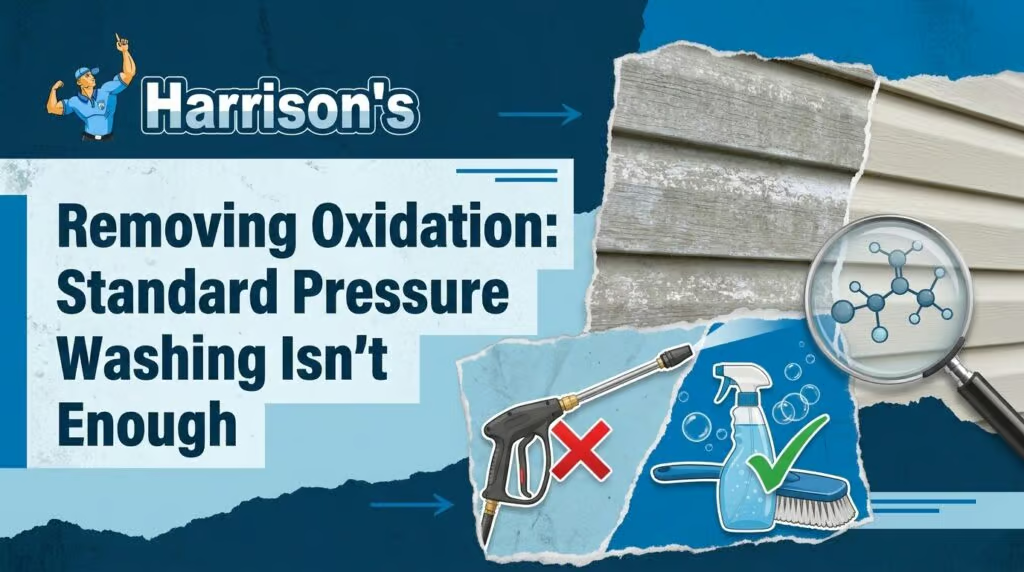
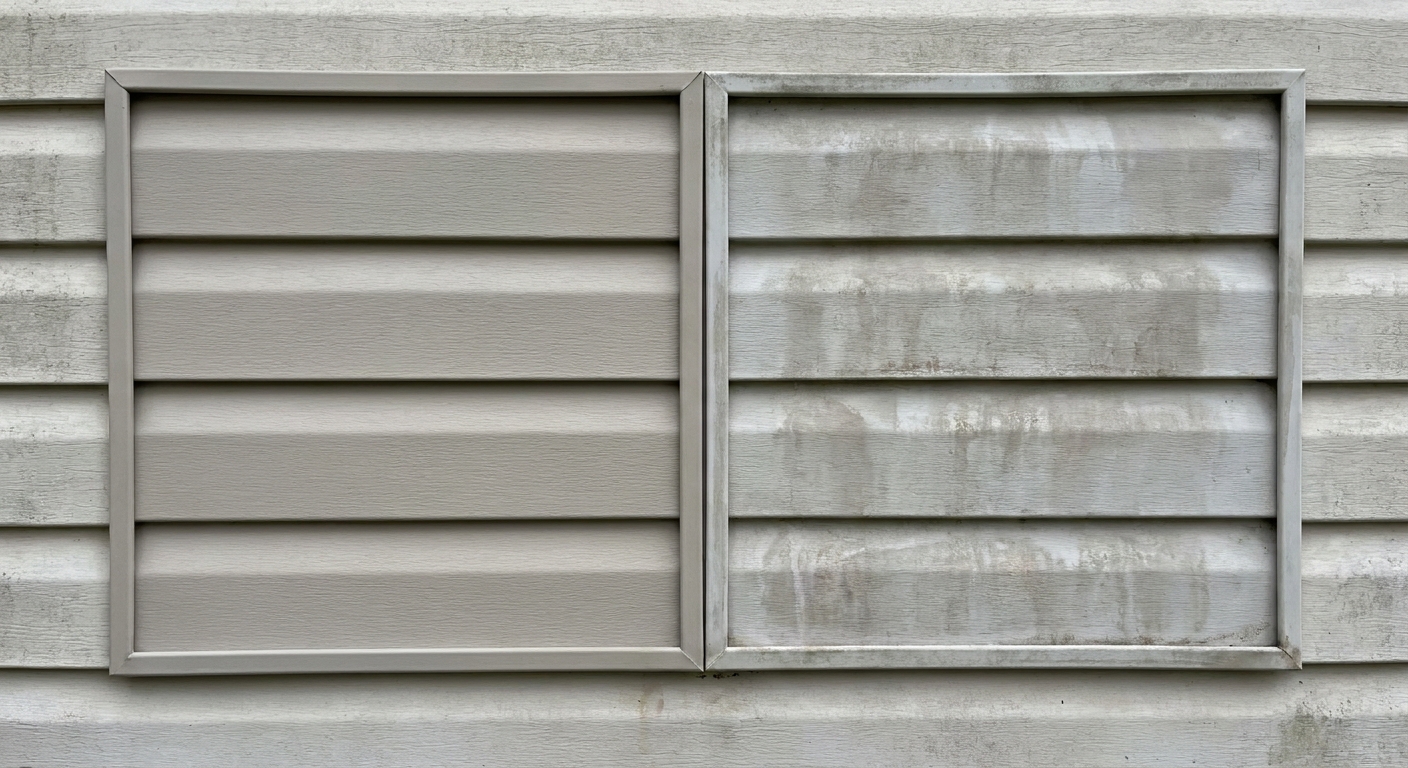
A chalky white film on vinyl siding is not just surface dirt; it’s oxidation, a chemical change in the vinyl itself caused by prolonged exposure to UV rays and oxygen. Homeowners often call us after trying standard pressure washing, only to find the chalky residue returns within weeks.
Removing oxidation from vinyl siding: why standard pressure washing isn’t enough is the core question. Because oxidation bonds to the siding at a molecular level, water pressure alone cannot break that bond. The right approach combines targeted cleaning, chemical breakdown, gentle agitation, and UV protection.
Understanding Oxidation on Vinyl Siding
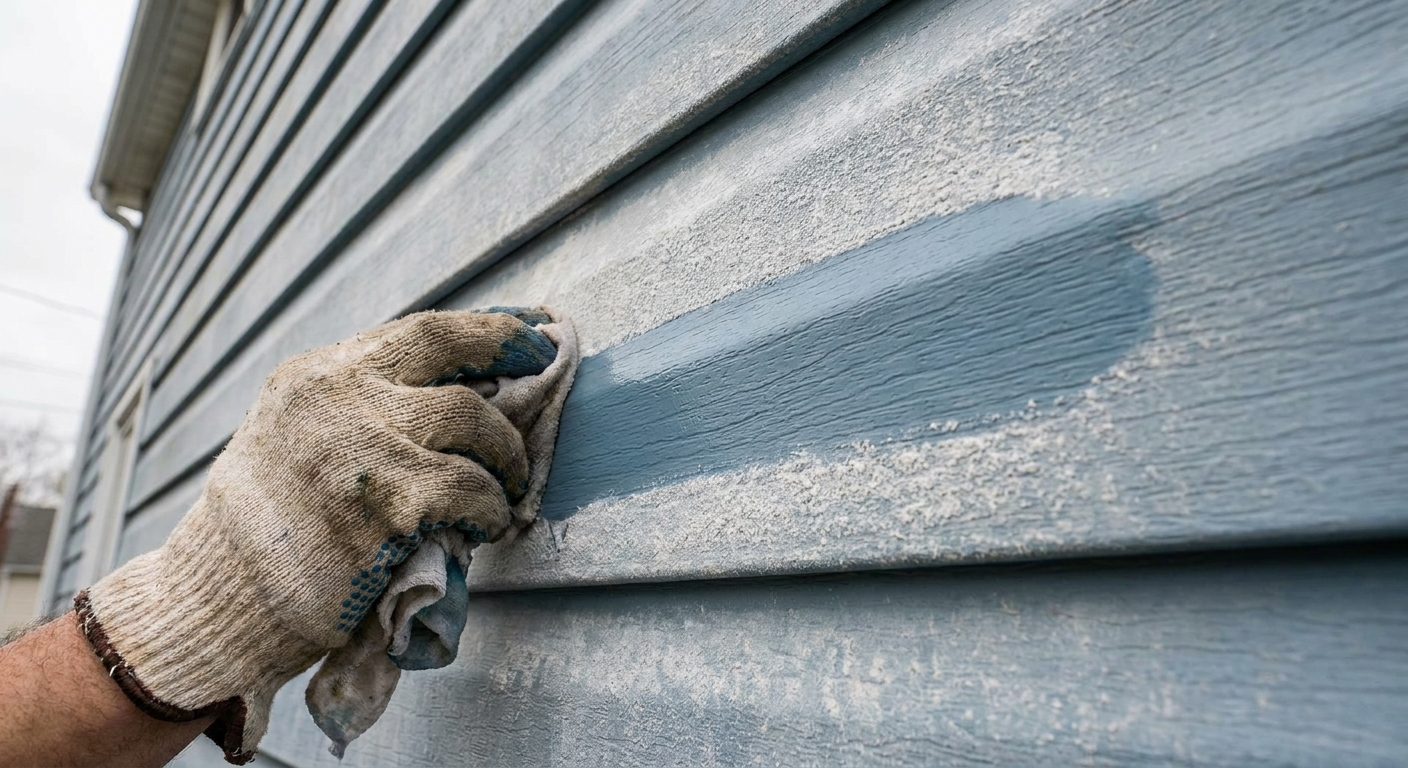
Vinyl siding is made from polyvinyl chloride, or PVC. When PVC is exposed to oxygen, moisture, and especially ultraviolet radiation from the sun, the surface layer begins to degrade. This degradation appears as a chalky, powdery residue that may feel like dust when you run your hand over the siding. Unlike ordinary dirt, oxidation is not sitting on top of the siding; it is the top layer of the siding itself breaking down.
Common signs of oxidation include:
- Faded color, especially on sun-exposed sides of the house
- Chalky white or gray film that wipes off on your hand
- Uneven sheen or blotchy patches
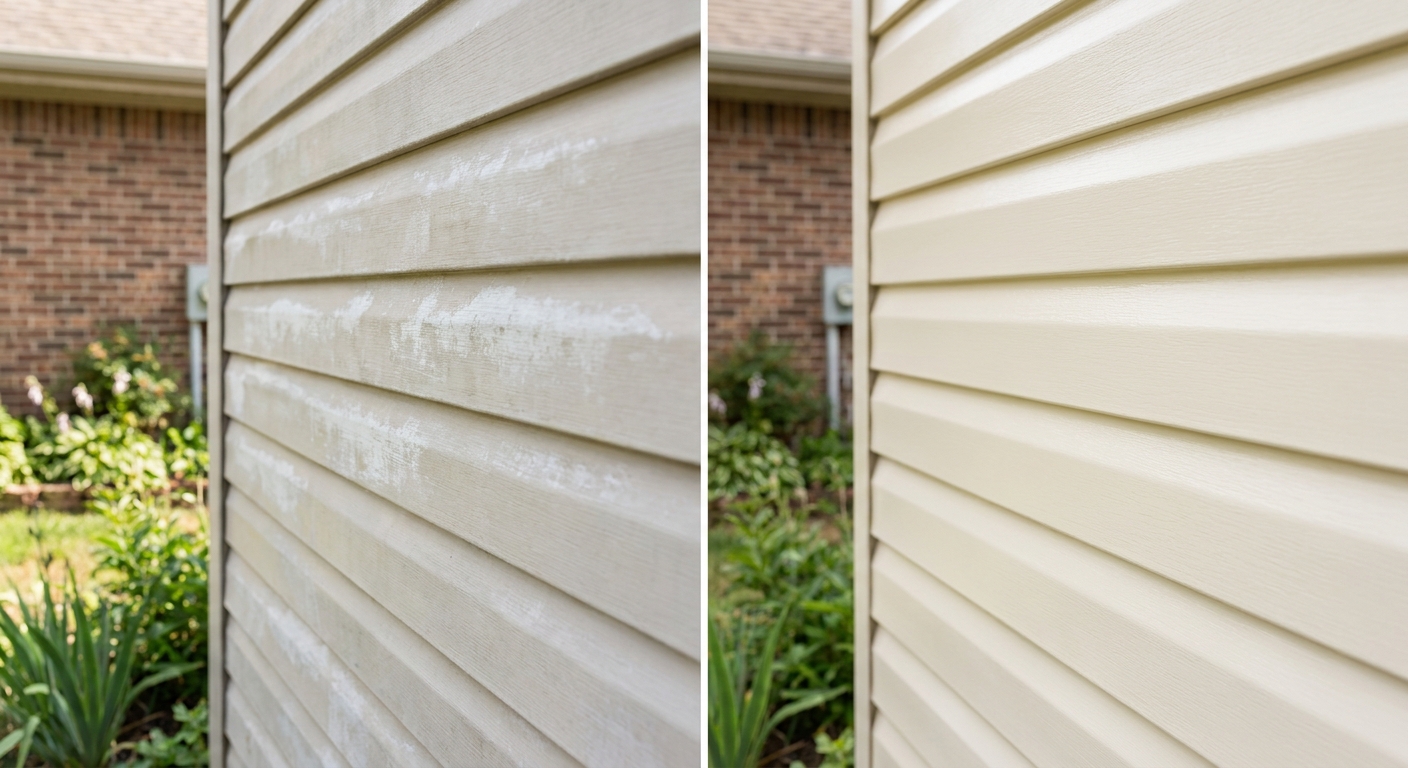
- A dull, lifeless appearance even after washing
Why Standard Pressure Washing Isn’t Enough for Oxidation
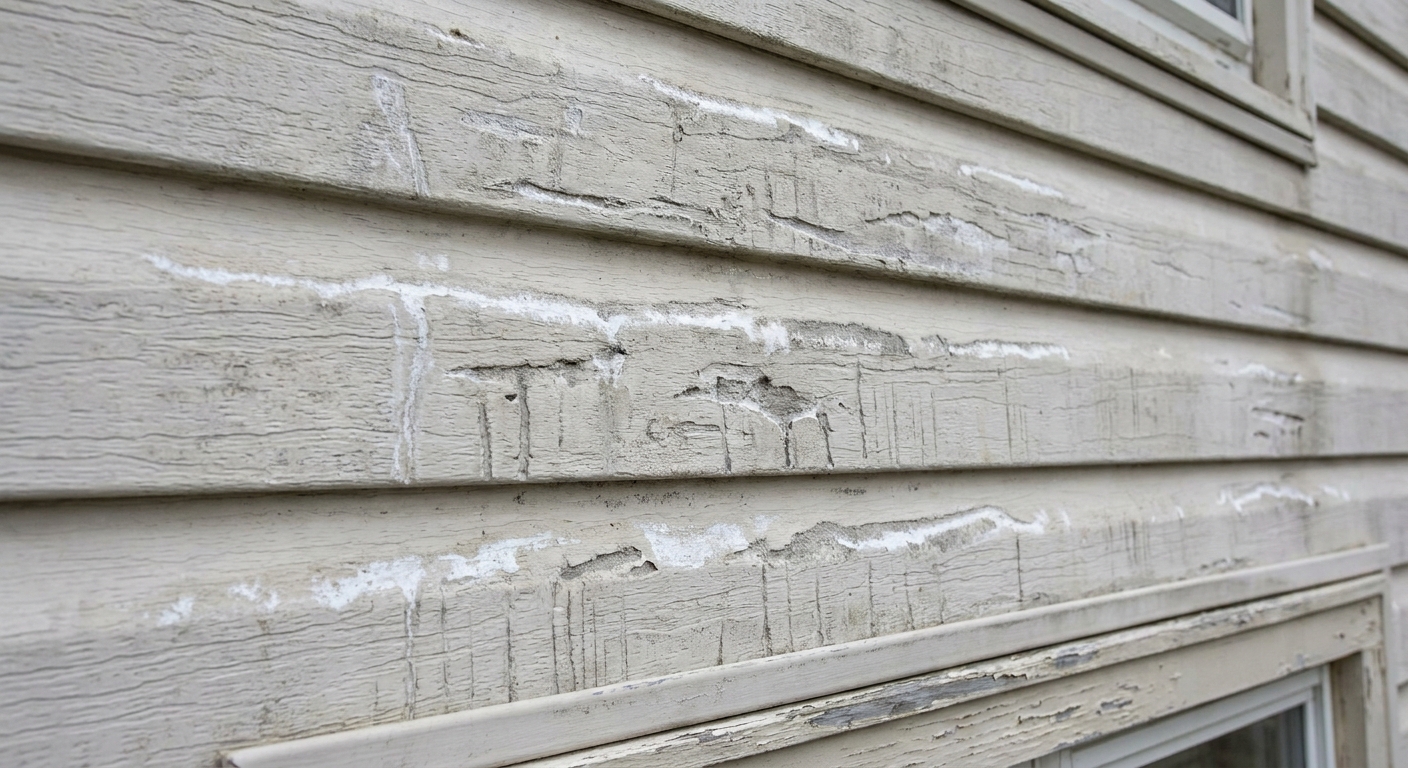
Standard pressure washing uses high-pressure water to blast away dirt, mold, and grime. That works for surface contaminants. But oxidation is a chemical change in the vinyl itself. The chalky layer is not a film sitting on top; it is the degraded surface of the material. Water, even at high pressure, cannot reverse that chemical change. In fact, using too much pressure on oxidized vinyl can strip away more of the already weakened surface, leading to permanent streaking, pitting, and an even more uneven appearance.
Many homeowners mistake a post–pressure washing shine for oxidation removal, but the chalky residue returns within days or weeks because the underlying chemical change remains. Only a dedicated oxidation-removal process addresses the root cause.
The Professional Oxidation Removal Process
Effective oxidation removal is a systematic process, not a single step. We follow a three-phase approach that protects the siding while restoring its original color and finish.
Thorough Cleaning Before Treatment
We start by removing all loose dirt, dust, and organic matter with a low-pressure rinse and an appropriate cleaning solution. This step ensures the oxidation remover can directly contact the oxidized layer without interference. Skipping this leads to uneven results because the chemical cannot reach the oxidation beneath grime.
Chemical Application and Dwell Time
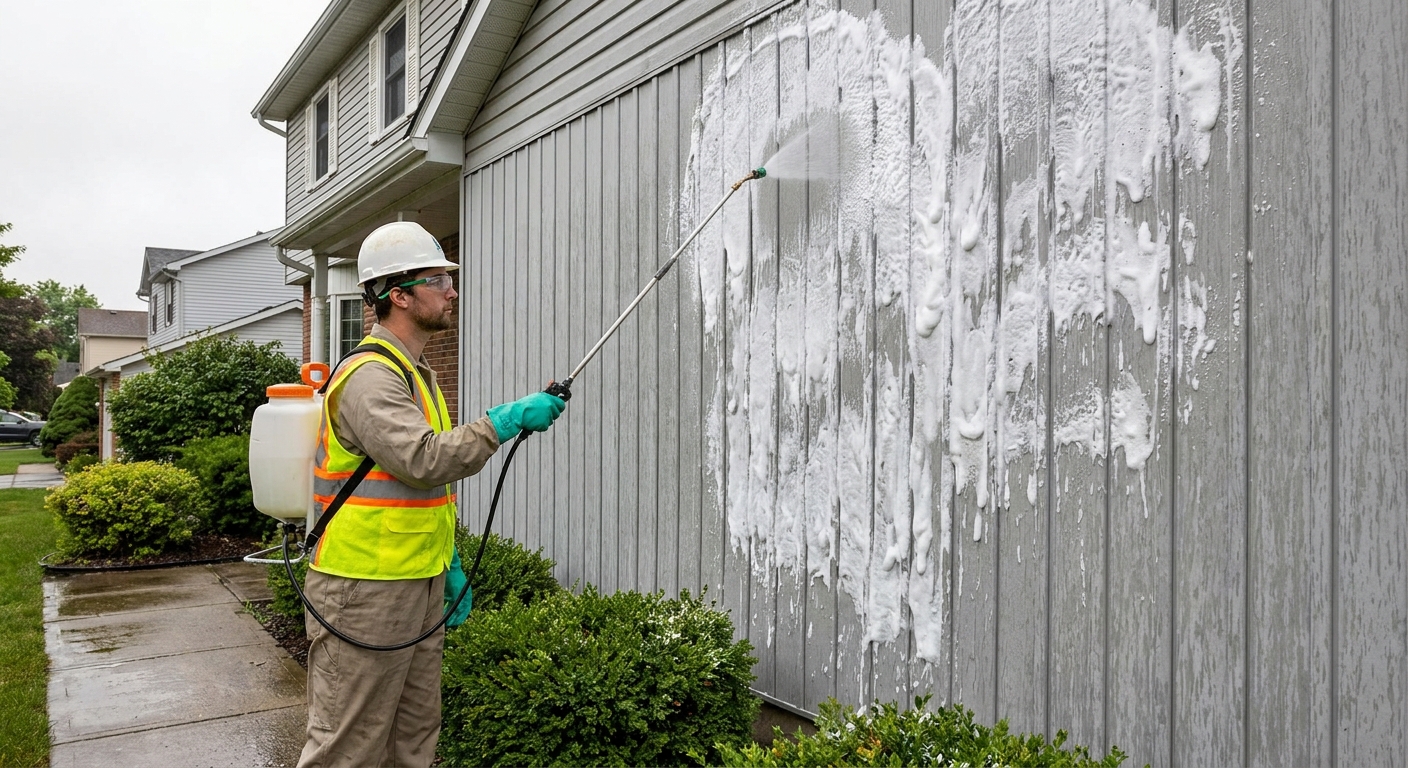
Next, we apply a specialized oxidation-removal chemical, often butyl-based or containing surfactants, evenly across the siding. The chemical needs time to dwell—typically 5 to 15 minutes depending on temperature and severity—to break the bond between the oxidized layer and the stable vinyl below. Dwell time is critical: too short and the oxidation remains; too long and the chemical may dry, causing streaking.
Protective Rinse and Finish
After the chemical has done its work, we rinse thoroughly with low pressure to remove the loosened oxidation and chemical residue. The final step is applying a UV protective coating, which we cover in detail below. This coating seals the restored surface and slows future oxidation.
Specialized Chemicals for Oxidation Removal
General-purpose house wash detergents are designed to remove dirt, not break down oxidized vinyl. We use butyl-based cleaners and oxidation-specific formulations that contain surfactants to cling to vertical surfaces. These chemicals penetrate the chalky layer and loosen its bond with the underlying vinyl, allowing it to be rinsed away. Bleach is never part of this process; it can accelerate vinyl degradation.
- Butyl-based cleaners break the bond between oxidized particles and stable vinyl.
- Surfactants help the solution stay on the siding instead of running off, increasing contact time.
- Oxidation removers are formulated to be safe for vinyl and surrounding landscaping when used correctly.
These chemicals are not interchangeable with standard pressure washing soaps. Using the wrong product can leave the oxidation untouched or, worse, damage the siding further.
Brushing vs. No-Brushing Techniques
Once the oxidation chemical has dwelled, professionals choose between manual agitation and chemical-only rinsing, depending on the severity and condition of the siding.
Manual Agitation Methods
We use a soft-bristle brush or wash mitt to gently agitate the surface after chemical application. This physically helps lift the oxidized layer. It works well for heavy oxidation but requires careful, uniform strokes to avoid brush marks or streaking. Brushing is more labor-intensive, which is why it is often reserved for severely oxidized sections.
Chemical-Only Approaches
For lighter oxidation or fragile siding, we may rely solely on the chemical’s dwell time and a thorough low-pressure rinse. This avoids physical contact but may require a second application or a longer dwell. It is gentler and reduces the risk of surface damage, making it suitable for older or brittle vinyl.
Applying UV Protective Coatings After Removal
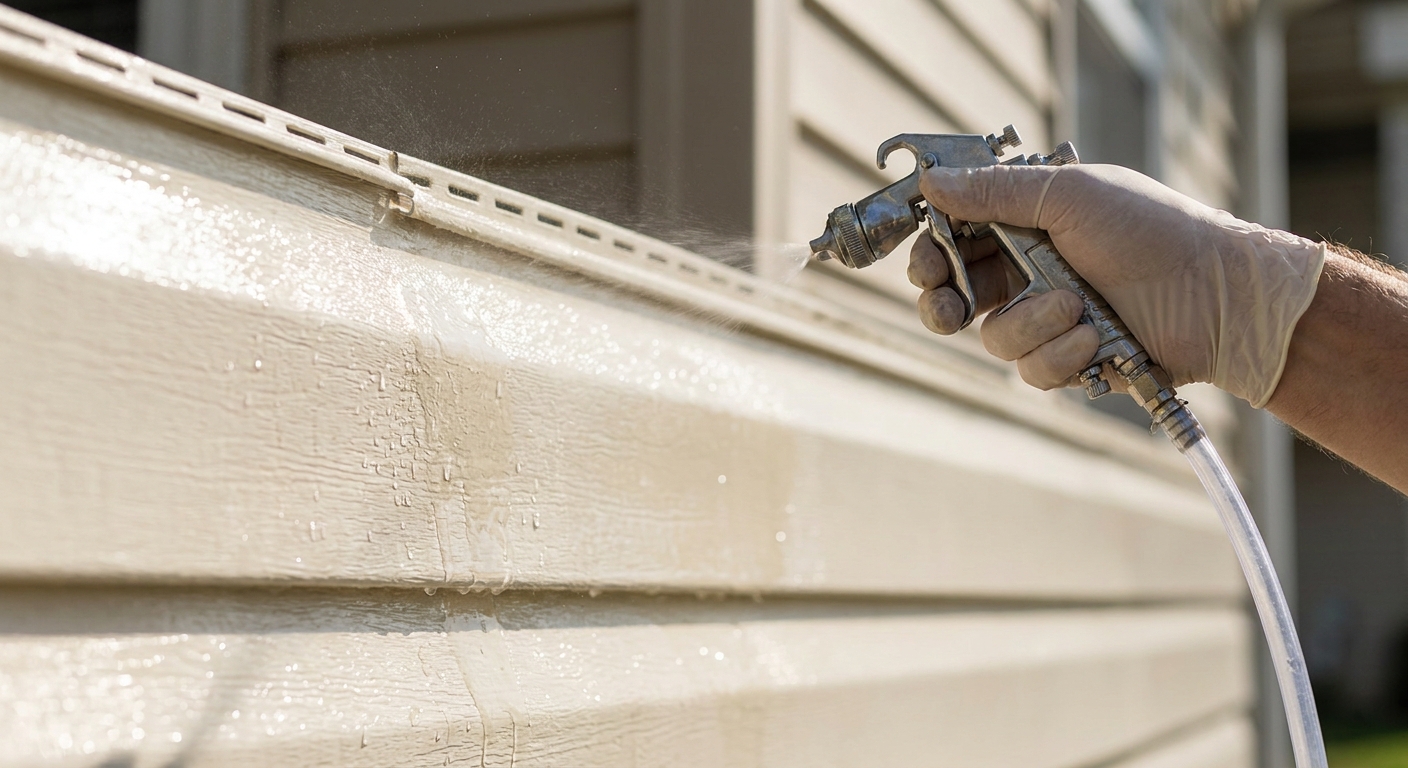
Removing oxidation without applying a protective coating is like sunburn treatment without sunscreen. Once the oxidized layer is gone, the fresh vinyl surface is even more vulnerable to UV damage. A high-quality UV protective coating restores color and adds a clear barrier that slows future oxidation. We apply this coating as the final step, ensuring even coverage and allowing proper curing time.
This coating is not paint; it is a clear sealant that can restore gloss and extend the time between professional treatments. Without it, the siding will begin oxidizing again within months, often faster than before because the outer layer has been removed.
Common Mistakes to Avoid in Oxidation Removal
Homeowners and even some cleaning services make mistakes that cause permanent damage. Avoid these three common errors.
Using Bleach or Harsh Chemicals
Bleach is an oxidizer; it accelerates the breakdown of vinyl, making oxidation worse over time. Harsh solvents can etch or discolor the surface. Only use chemicals specifically designed for vinyl oxidation removal.
Excessive Pressure Washing
Increasing pressure to try to blast off oxidation only removes more of the softened vinyl surface, causing pitting and uneven texture. Once the siding is eroded, it cannot be restored. A low-pressure rinse after chemical treatment is always safer.
Skipping the Protective Coating
Without a UV protective coating, the freshly cleaned vinyl will begin oxidizing again within months, often faster than before because the outer layer has been removed. The coating is not optional; it is an essential part of the restoration.
When to Call a Professional for Oxidation Removal
Oxidation removal is a restoration process, not a routine wash. It requires understanding vinyl chemistry, selecting the right chemical for the siding’s age and condition, and applying it evenly across large surfaces. Mistakes are costly and often irreversible. With 30+ years of combined exterior cleaning experience, we’ve refined our oxidation removal process to consistently restore siding without damage.
If your siding shows chalky residue, uneven fading, or you’ve already pressure washed it without success, professional treatment is the safest path. We can assess the degree of oxidation and recommend the appropriate approach for your home.
If you’re ready to restore your siding’s original color and protect it for years to come, contact us today for a professional oxidation removal treatment.