

Will rain ruin freshly cleaned windows? The short answer is no—if the windows were properly cleaned. Rain itself isn’t dirty; it’s the particles and minerals it carries that leave spots. Understanding this difference is key to knowing what professional window washing in a wet climate actually accomplishes.
When we clean windows, we remove the residue that rain would otherwise disturb. That means rainfall after a professional clean typically dries clear, leaving glass spotless. Here’s the science behind why, and how professionals handle the exceptions.
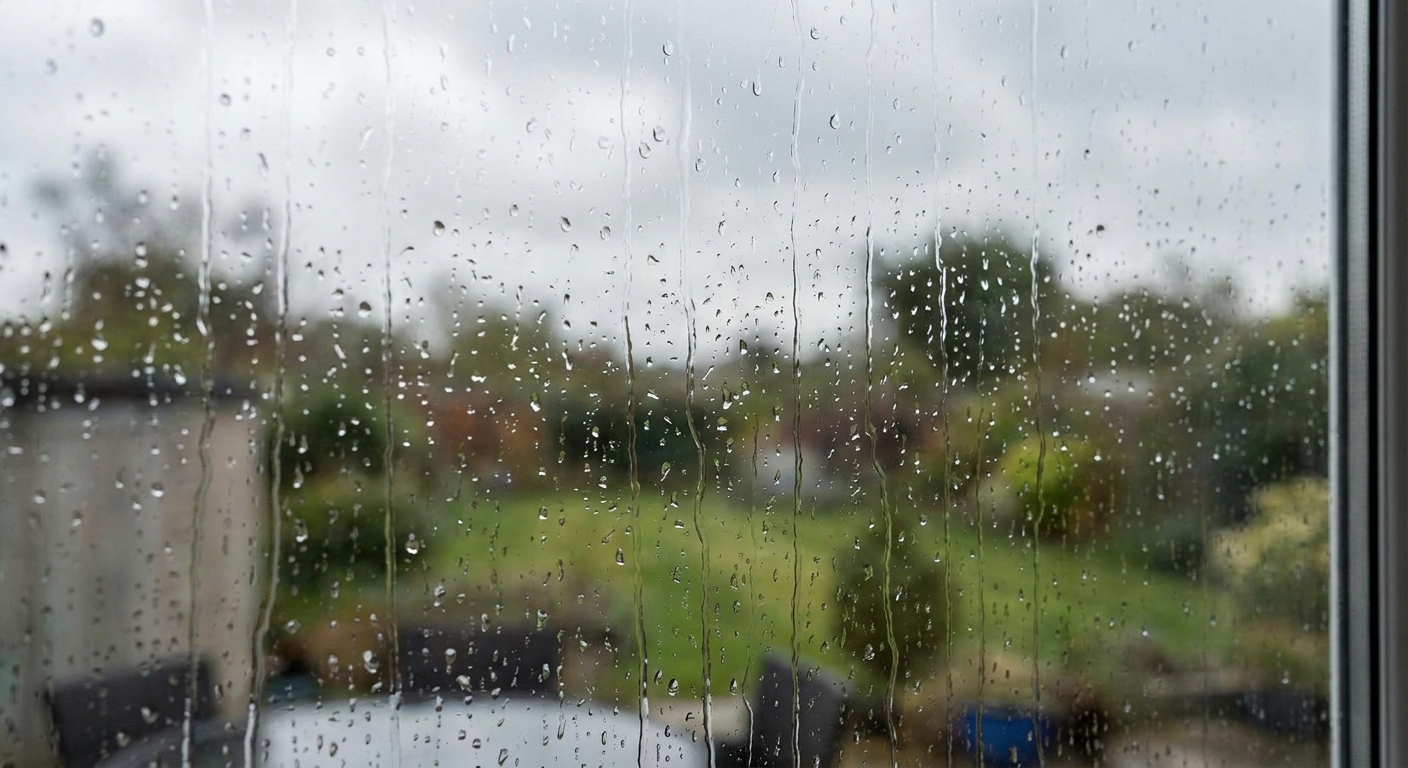
The Science: Why Rain Can Make Windows Look Dirty
The Role of Airborne Pollutants
Rain begins as nearly pure water when it forms in clouds. As it falls, it collects airborne particles—pollen, dust, vehicle exhaust, industrial pollutants, and dried bird droppings. When the water evaporates, these particles remain on the glass, creating the dirty appearance. So rain doesn’t make windows dirty; it deposits airborne debris that was already floating around.
Why Raindrops Aren’t Pure Water
Even though rainwater starts clean, it picks up dissolved gases and particulate matter on its way down. In areas with more traffic or construction, rainfall can carry more contaminants. This is why a window exposed to rain can look worse than before—but only if there was already residue on the glass to catch and hold those particles. Clean glass sheds water more easily, so fewer visible deposits form.
Mineral Deposits and Water Spots: The Real Culprits
Hard Water Residue
The white, cloudy spots many people blame on rain are usually mineral deposits. Calcium and magnesium in tap water or sprinkler runoff dry on glass and crystallize. Rain can introduce minerals too, especially after passing through polluted air. Professional cleaning uses techniques that dissolve and remove these minerals without scratching the glass.
Sprinkler and Runoff Contamination
Sprinkler water often has a higher mineral content than rain because it comes from groundwater or municipal supplies. When sprinklers hit windows, they leave hard water spots that are difficult to remove. Similarly, runoff from roofs, frames, or gutters can carry dirt and minerals down over freshly cleaned glass. We treat these as separate issues and address the source where possible.
How Professional Window Washing Prevents Rain Damage
Proper Rinsing Techniques
Thorough rinsing is essential. We use generous amounts of water—often purified—to flush away all loosened dirt before the final pass. This prevents any residue from being left behind that rain could later activate. Without proper rinsing, even invisible residue can turn into visible spotting after the next rainfall.
Squeegee Mastery
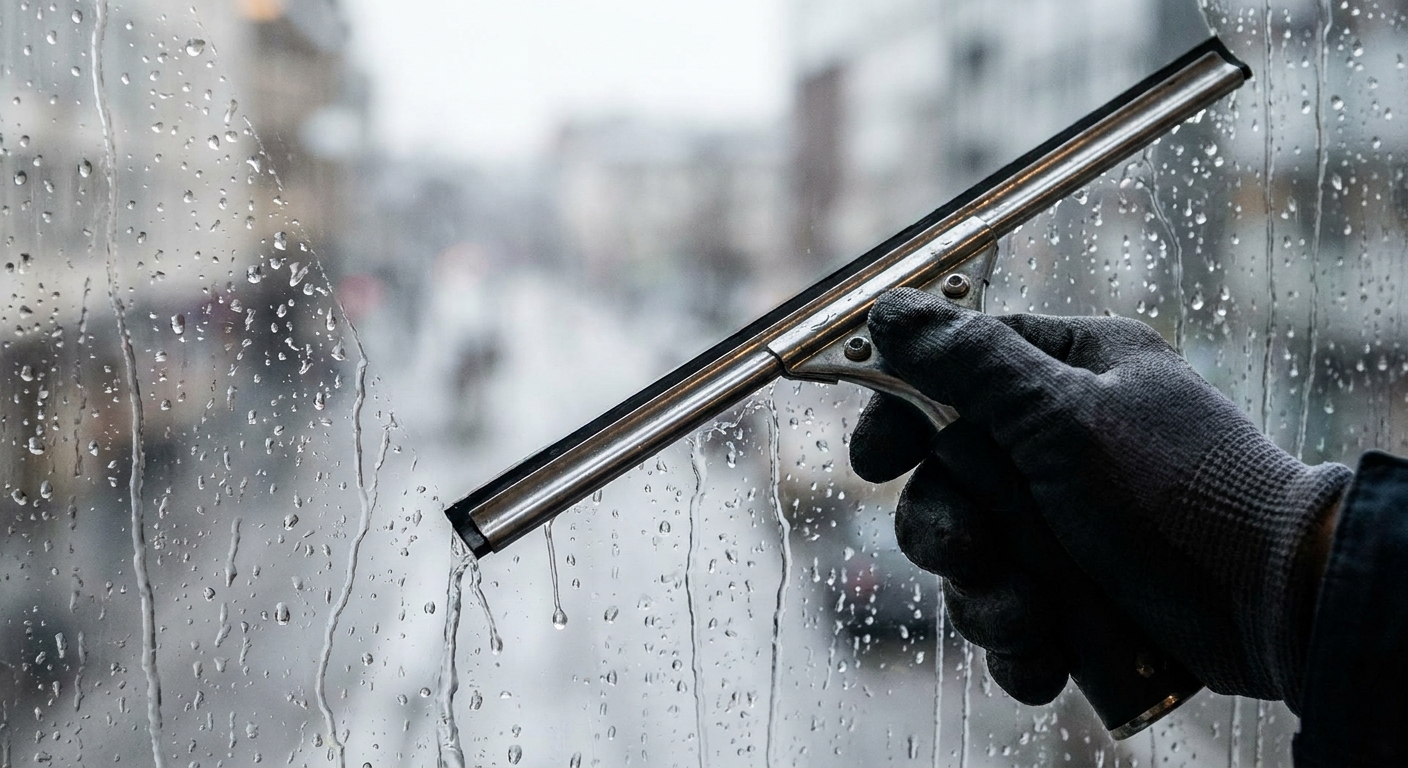
A professional-grade squeegee removes water completely from the glass, leaving no droplets to evaporate and deposit minerals. The angle and pressure are controlled so that edges and corners are dry. This means when rain arrives, there is nothing on the glass for it to smear or react with.
The Role of Pure Water Cleaning in Rain-Proof Results
What Is Pure Water?
Pure water is filtered through a reverse osmosis and deionization process that removes dissolved minerals and impurities. The result is water with extremely low total dissolved solids. When pure water dries on glass, it leaves no residue—no calcium, magnesium, or other minerals. That’s why it is the industry standard for streak-free cleaning.
Why Residue-Free Glass Repels Spotting
Glass that has been cleaned with pure water is truly smooth at a microscopic level. Rainwater hitting that surface beads and runs off cleanly instead of clinging to dirt or mineral scale. Without residue to attract and hold airborne particles, rain dries clear, leaving little or no visible spotting. This is the foundation of rain-proof results.
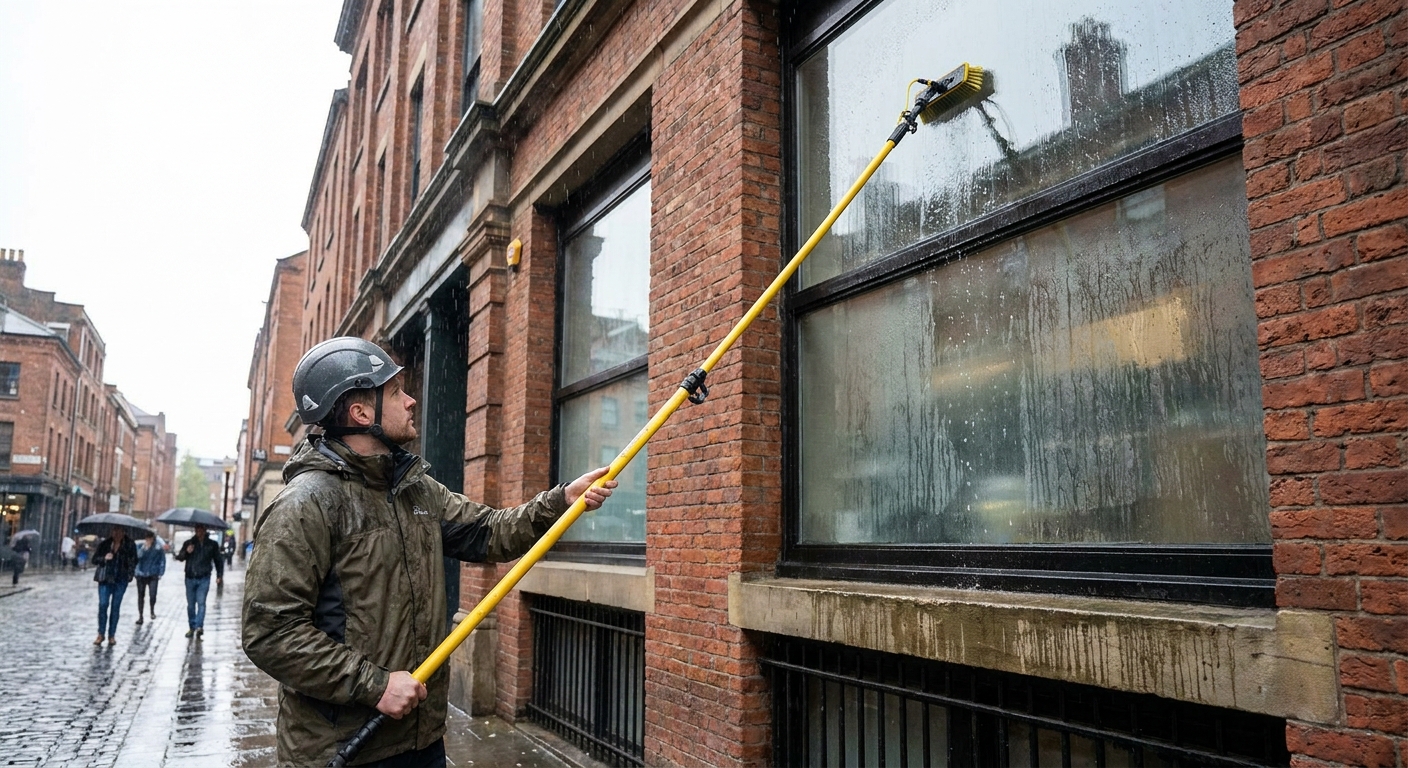
Situations Where Rain Can Cause Problems (and How Pros Handle Them)
Polluted Runoff
If gutters, roofs, or upper ledges are dirty, rain can wash that debris down across lower windows. We inspect surrounding surfaces and recommend cleaning or clearing them so they don’t introduce new dirt immediately after a window wash. In some cases, we clean the frames and sills as part of the service to prevent contaminated runoff from streaking the glass.
Tree Sap and Organic Debris
Trees near windows release pollen, sap, and fine organic matter. Rain can carry these substances onto glass, where they bond and become sticky. Professional cleaning removes these deposits with appropriate solutions, and we can advise on managing nearby vegetation to reduce future buildup.
Clogged Gutters
Clogged gutters hold decomposing leaves and stagnant water. When rain overflows, it sends dirty water down over windows, leaving dark streaks and organic stains. Clearing gutters as part of regular maintenance prevents this common source of post-rain window soiling.
Rain Guarantees: What They Are and Why They Matter
Typical Guarantee Terms
A rain guarantee is a professional promise that if rain causes visible spotting or streaking within a set period—often 7 days—the cleaner will return and re-clean the affected glass at no additional charge. It protects the customer’s investment and takes the worry out of scheduling around weather.
How Guarantees Build Trust
Offering a rain guarantee shows confidence in the cleaning process. It also aligns the cleaner’s interests with the customer’s: the job isn’t considered finished until it looks great, regardless of what the weather does. We stand behind our cleanings with a satisfaction guarantee; if unexpected rain affects the appearance within a short window, we will return and touch up the glass at no charge. This is why reputable services include such guarantees rather than asking customers to wait for perfect conditions.
Safety Protocols: When Do Professionals Pause Work in Wet Weather?
High Winds and Storms
Light rain is fine, but we pause when winds become strong enough to make ladders or extension poles unsafe. Thunderstorms, lightning, and heavy downpours also cause us to stop and reschedule. Safety is more important than keeping to a schedule.
Icy or Slippery Surfaces
Wet surfaces are manageable with proper footwear and care, but ice and frost create real hazards. If walkways, roofs, or ladder rungs are slick, we delay until conditions improve. This protects both our team and your property.
Benefits of Cleaning Windows in the Rain
Improved Visibility of Streaks
Light rain actually helps us see residue and streaks more clearly. The uniform wetness highlights any area that isn’t perfectly clean, allowing us to correct it on the spot. That means the final result is often better than on a dry, sunny day when imperfections are harder to spot.
Natural Rinsing Action
Mild rain acts as a pre-rinse, loosening dust and pollen before we begin. It also helps carry away cleaning solution as we work, reducing water usage and ensuring a thorough rinse. In many wet climates, we consider light rain a working advantage rather than an obstacle.
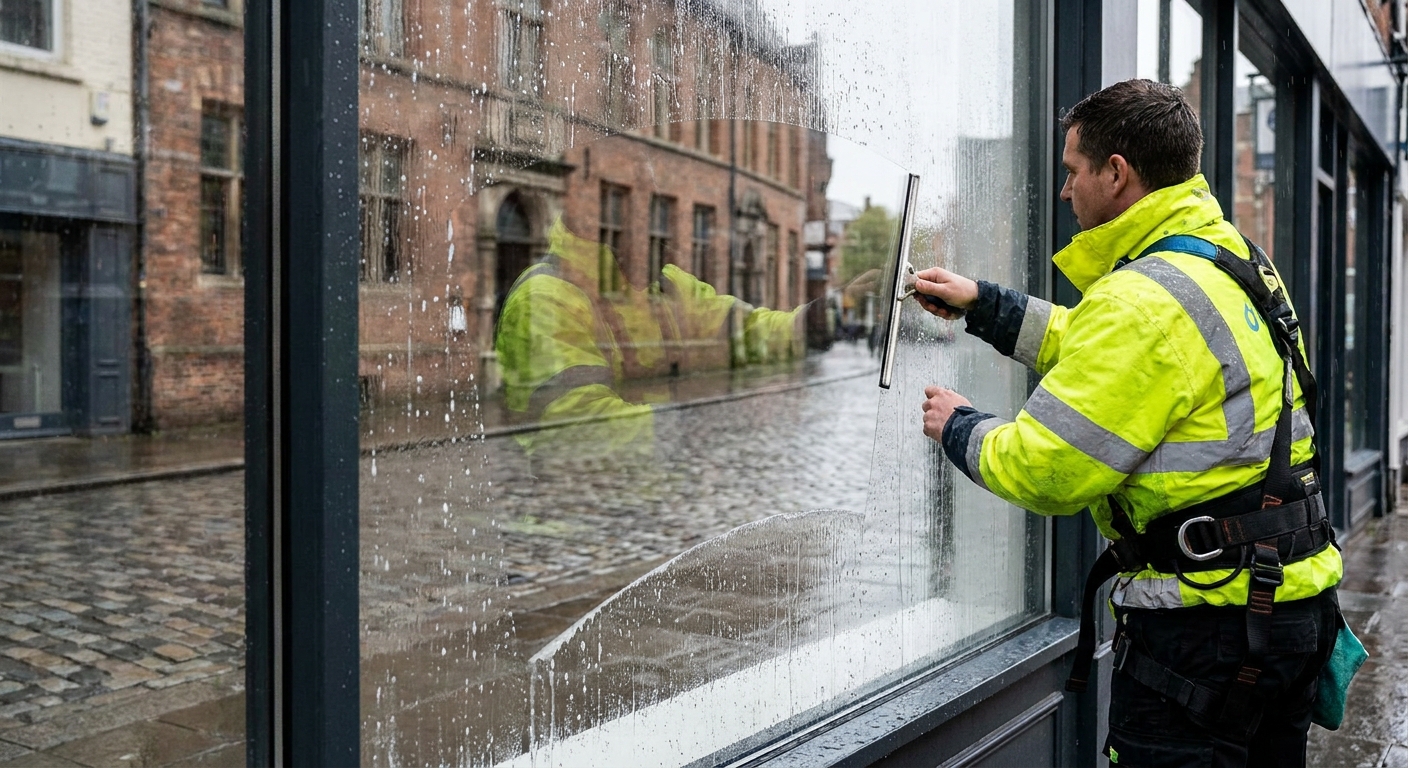
Why Waiting for Dry Weather Is a Losing Strategy
Buildup of Contaminants
Every day a window stays dirty, more airborne pollutants, pollen, and minerals settle on the glass. These contaminants form a layer that becomes harder to remove over time. Waiting for a perfectly dry forecast just allows that buildup to continue, making the eventual clean more involved.
Harder Cleaning Later
Mineral deposits, sap, and organic matter bond more firmly to glass the longer they sit. What starts as a simple wash can become a job requiring more intensive treatment. Regular cleaning—even in wet conditions—prevents this escalation and keeps windows easier to maintain.
If you’re tired of watching the forecast, contact us to schedule a clean. We work in light rain and stand behind the results, so your windows stay clear no matter what the sky does.