
Professional pressure washing companies protect your landscaping and plants through a deliberate sequence of pre-soaking, physical barriers, plant-safe detergents, and controlled rinsing. Without those safeguards, high-pressure spray and cleaning runoff can strip soil, scorch leaves, and stress root systems. Here is the exact process we follow on every job to keep garden beds intact while we remove grime from hard surfaces.
We treat plant protection as a layered system: dilute, divert, and decontaminate. Each layer addresses a specific risk—chemical exposure, splash damage, or concentrated runoff. The goal is not only to avoid obvious damage but to leave the soil biology and foliage in the same condition they were in before we started.
Understanding Professional Pressure Washing Risks to Plants
Pressure washing done without safeguards can harm plants in three main ways. The first is chemical exposure. Many cleaning solutions contain detergents or sodium hypochlorite to break down mold, mildew, and organic staining. If those solutions reach plant leaves or soak into the root zone undiluted, they can cause leaf burn, wilting, and even plant death—especially after they evaporate and become more concentrated.
The second risk is direct water pressure damage. A high-pressure stream aimed near a flower bed can break fragile stems, strip foliage, and uproot shallow-rooted annuals. The third risk is soil disruption. Excessive water flow erodes topsoil, washes away mulch, and exposes roots to air and temperature swings. All three risks are manageable with the right preparation, but they explain why professional crews treat plant beds as protected zones rather than afterthoughts.
Preparing the Landscape for Safe Pressure Washing
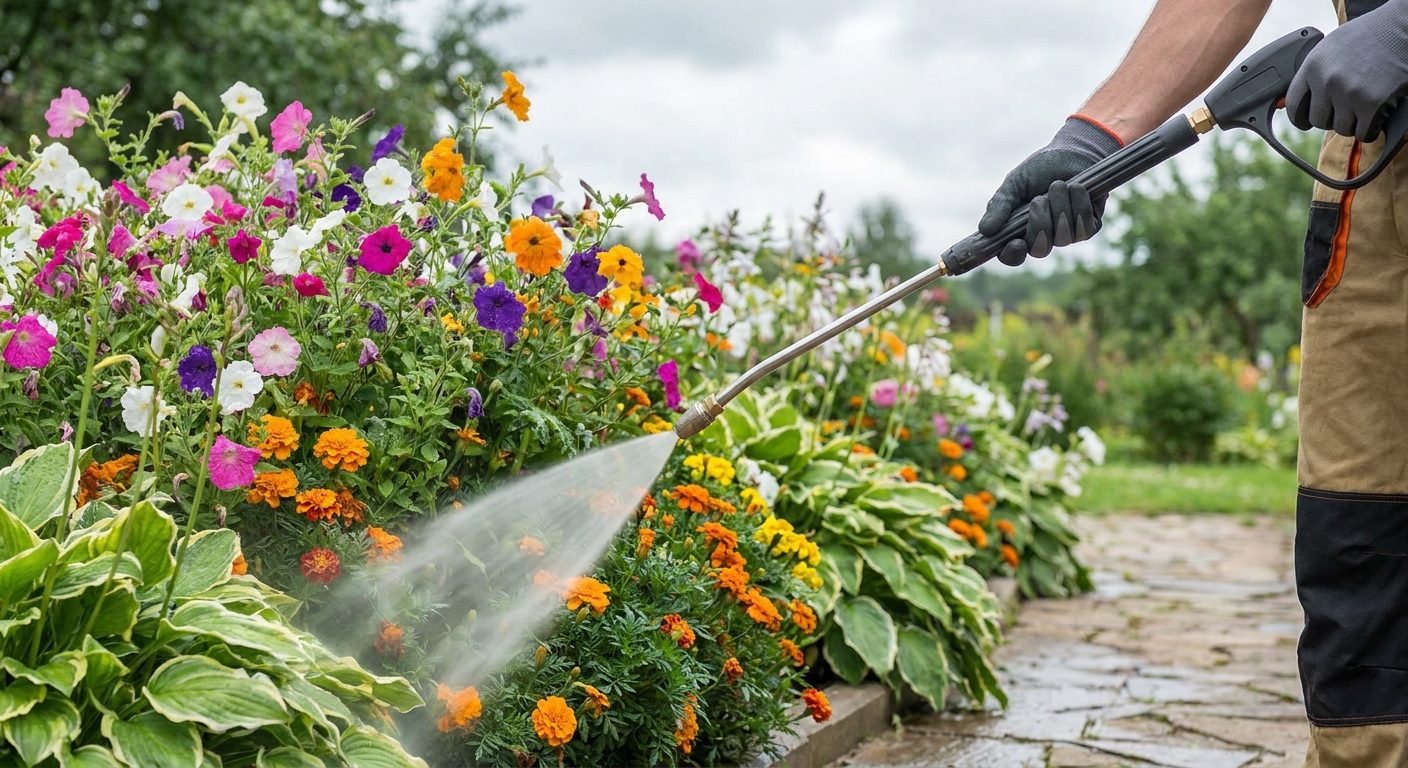
Before any pressure washing begins, we pre-soak all surrounding plants and soil with fresh water. A well-hydrated plant is far less likely to absorb stray cleaning agents through its leaves or roots, because the plant’s cells are already full. Saturated soil also dilutes any runoff that reaches the ground, reducing the concentration of detergents or surfactants. We water thoroughly at the drip line and lightly mist foliage until water begins to run off. This step takes only a few minutes per bed but is one of the most effective defenses against chemical damage.
Pre-Soaking Plants and Soil Before Washing
We pre-soak every plant within ten feet of the surface being cleaned, focusing on foliage directly under rooflines or next to siding where runoff will be most extreme. The goal is to saturate both leaves and the top few inches of soil so any accidental overspray or runoff is instantly diluted. For potted plants, we water until water drains from the bottom of the container; for garden beds, we use a gentle hose setting to avoid disturbing mulch.
Tailoring Protection Based on Plant Sensitivity
Not all plants need the same level of protection. We walk the property before starting to identify what is growing nearby. Highly sensitive plants—such as Japanese maples, ferns, hydrangeas, and impatiens—get extra coverage and receive a gentler rinse. Moderately sensitive plants, including roses, azaleas, hostas, and perennials, are protected with a standard pre-soak and occasional misting. Hardier plants like evergreens, boxwoods, and ornamental grasses still benefit from pre-wetting, but they rarely require full covers. This quick assessment lets us focus protection where it matters most.
Covering Sensitive Plants with Protective Materials
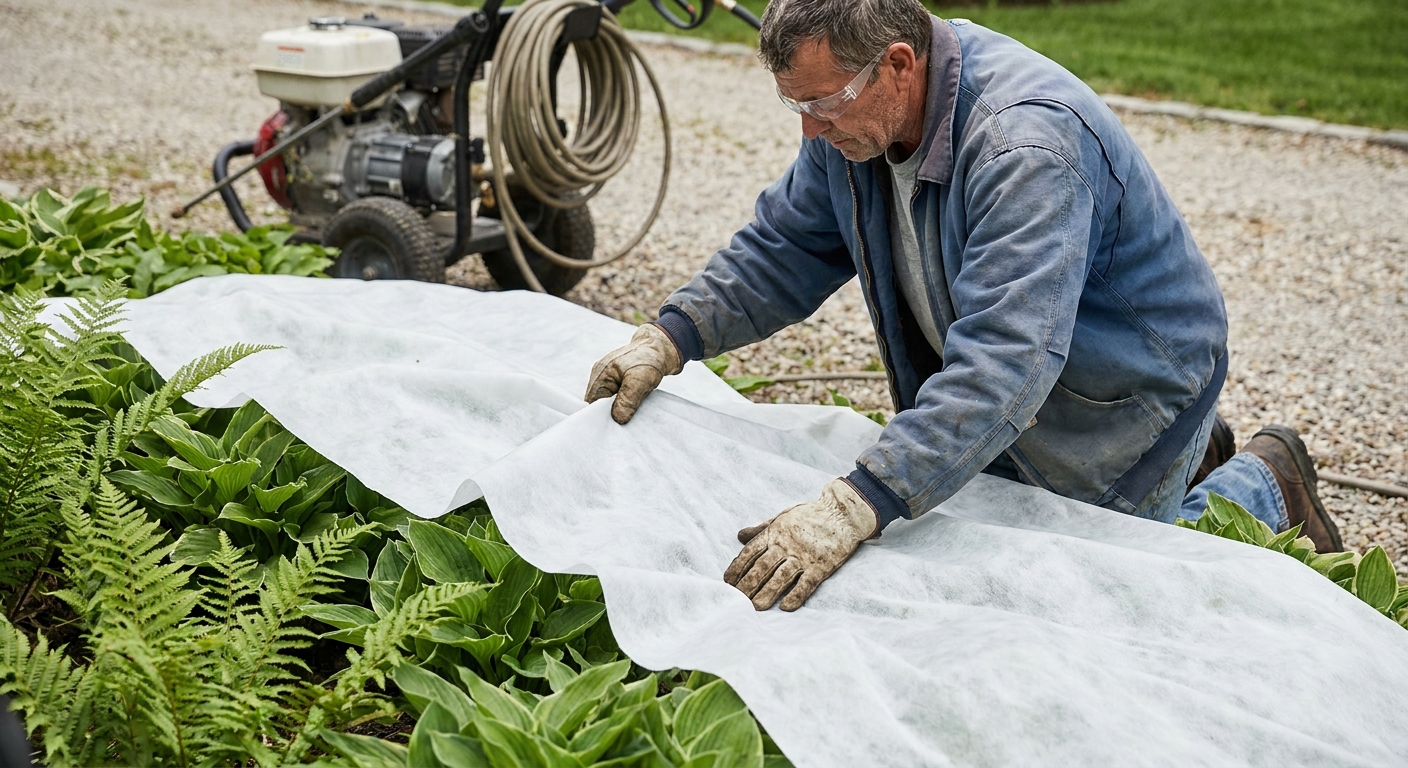
For delicate or high-value plants, we place breathable landscaping fabric or professional plant covers over the foliage. We avoid plastic sheeting because it creates a greenhouse effect—trapping heat and restricting airflow—which can scorch leaves faster than any chemical overspray. The covers are secured at the base so they do not shift during cleaning, and we remove them as soon as the wash and final rinse are complete. This physical barrier is especially important for flower beds directly beneath siding, gutters, or rooflines where runoff is most concentrated.
Selecting Plant-Safe Cleaning Agents and Techniques
Chemical choice matters as much as water pressure. Whenever possible, we use biodegradable, plant-safe detergents that break down without leaving toxic residues in the soil. These products are formulated to cut dirt, algae, and mildew but are far less harmful to foliage if minor overspray occurs. When a stronger solution is required for heavy staining or organic growth, we dilute it to the lowest effective concentration and apply it only to the surface being cleaned, never as a broad spray.
We also match the technique to the surface. For hard concrete and brick, higher pressure is appropriate, but near plant beds we reduce pressure and use a wider fan nozzle to distribute force more evenly. For siding, fences, and roofs we often switch to soft washing—a low-pressure method that relies on cleaning solutions and gentle rinsing rather than high-pressure impact. Soft washing removes organic growth without creating splashback that can reach nearby plants, and it reduces the risk of gouging wood or dislodging soil.
Using Biodegradable and Plant-Safe Detergents
We select detergents with plant-safe formulations and avoid harsh solvents when working near landscaping. Many of these products are biodegradable and break down quickly in soil, so even if a small amount reaches the garden bed, it will not persist or accumulate. We also test a small area first when using any new product near sensitive plants, and we adjust the dilution based on temperature, humidity, and the type of organic growth being removed.
Employing Soft Washing and Low-Pressure Techniques
For any surface adjacent to flower beds, we lower the pressure to a soft washing range—typically the same force as a garden hose but with a specialized nozzle for better cleaning. This allows cleaning solutions to do the work while we control overspray. We keep the nozzle moving in steady, overlapping passes and never linger on one spot, which prevents both surface damage and excess water buildup. When we must work close to plants, we direct the spray away from beds and use a wider angle to disperse the water.
Managing Water Runoff and Chemical Exposure
We treat every customer’s landscaping with the same care we would our own, which is why runoff management is a non-negotiable step in our process. Every crew member follows the same divert, dilute, and decontaminate sequence so no flower bed is left unprotected.
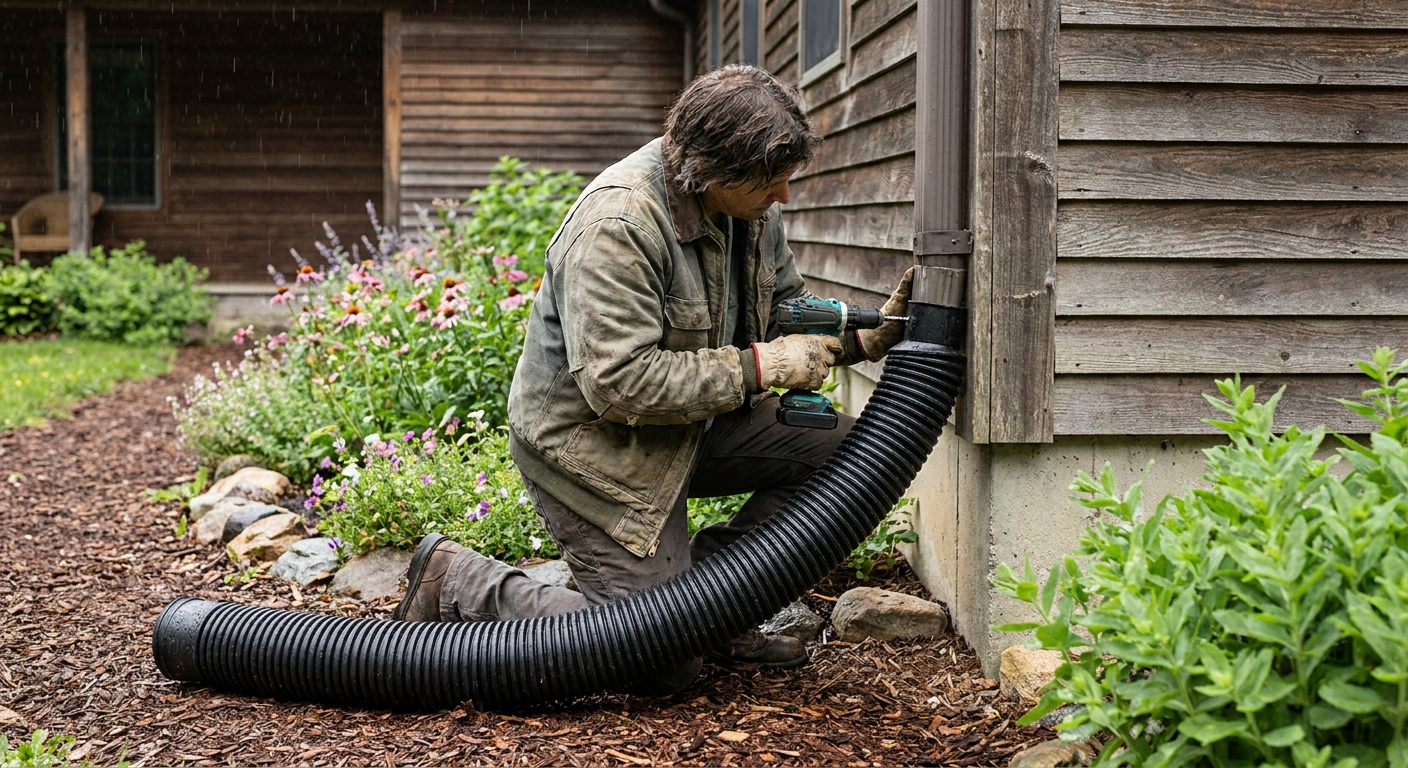
Controlling where the water goes is just as important as controlling where the spray lands. Before we begin, we inspect downspouts and drainage paths. We bag or extend downspouts to send roof and siding runoff away from plant beds, and we place angled shields or plywood barriers to deflect splashback from flower beds and mulch. Any runoff that does reach the ground is directed toward gravel or lawn areas where it can be diluted naturally.
Diverting Water Runoff and Using Physical Barriers
We use a combination of downspout extensions, heavy-duty bags, and temporary plywood or plastic shields to redirect water around garden beds. Barriers are placed at a 45-degree angle where possible, which deflects spray downward and away from foliage while still allowing water to drain. We also check that gutters are clear before we start, so water does not overflow and pour directly onto plants below.
Applying Neutralizing Agents to Counteract Chemicals
After the wash is complete, we apply a neutralizing agent to any area that may have been exposed to cleaning chemicals. A common choice is sodium thiosulfate, which renders bleach and sodium hypochlorite inert by converting them into a harmless saltwater solution. We spray the neutralizer on plant foliage and the surrounding soil as a precaution, then follow with a clean water rinse. This decontamination step restores the pH balance around plant roots and prevents delayed leaf damage.
Post-Washing Rinsing and Plant Recovery
Immediately after the pressure washing and neutralization steps, we rinse every plant that may have been exposed to overspray or runoff. We use a low-pressure hose setting and plain water to wash leaves from top to bottom, removing any remaining detergent film or neutralizer residue. This rinse is especially important in hot weather, when cleaning solutions can evaporate quickly and concentrate on leaf surfaces. We continue rinsing until the water runs clear from the base of each plant.
Rinsing Plants After Washing to Remove Residue
We pay special attention to the undersides of leaves, where residue tends to collect, and to any plant that was covered during the wash. A gentle rinse from above and below helps dislodge any remaining particles. For larger shrubs and trees near rooflines, we use a soft brush attachment on the hose to lightly remove any dried soap film without damaging the bark or foliage.
Post-Washing Plant Care and Recovery
In the days following a wash, we recommend keeping an eye on plant health. Most plants recover quickly with no intervention, but if you notice any leaf discoloration or wilting, a thorough fresh-water rinse and removal of affected foliage will encourage new growth. Applying a light layer of mulch after the wash helps retain soil moisture and regulate root temperature. We advise against fertilizing immediately after a cleaning, as stressed plants need time to return to normal before receiving nutrients.
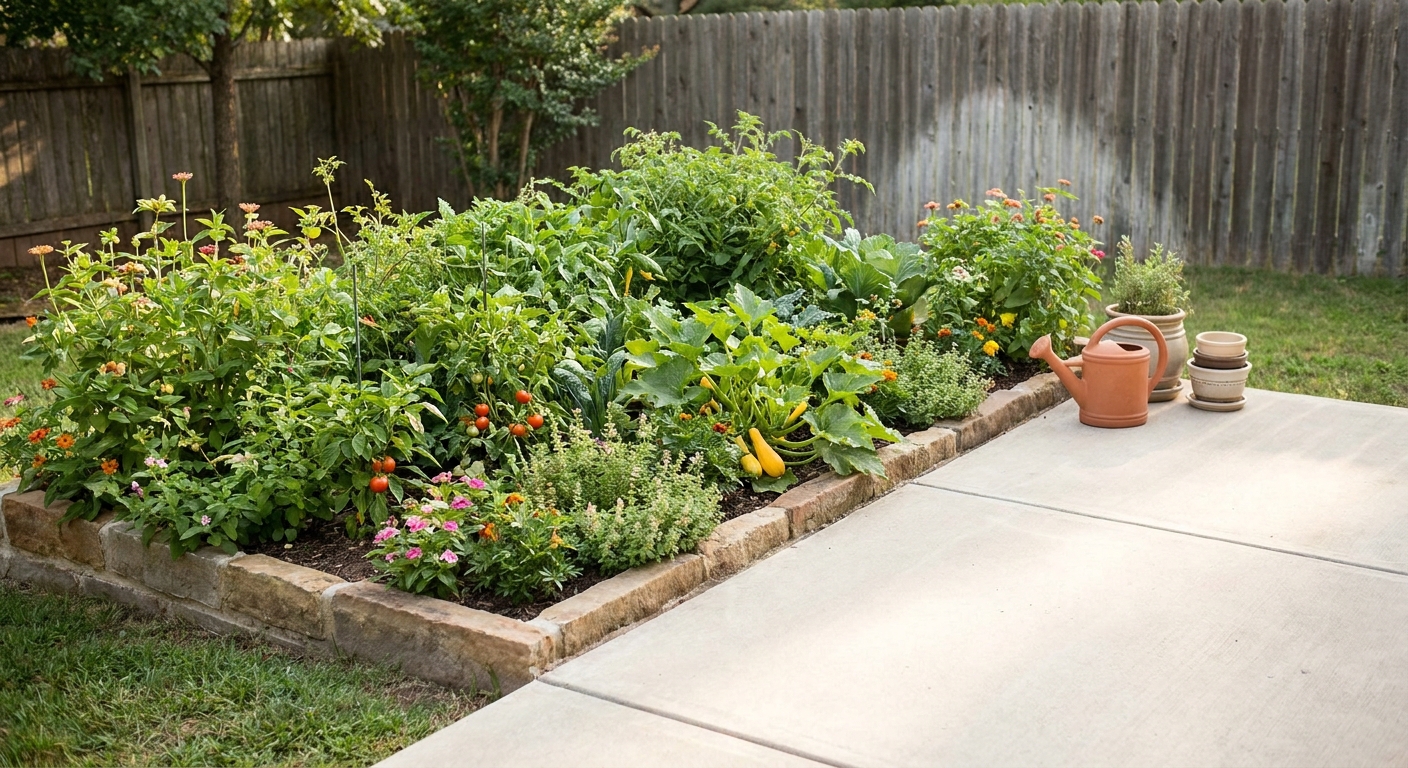
By combining pre-soaking, physical barriers, plant-safe chemistry, runoff control, and a final rinse, professional pressure washing companies protect your landscaping and plants while still delivering a deep clean. The result is a cleaner exterior without a single scorched leaf or eroded flower bed.
If you are planning an exterior wash and want to be confident your garden beds will stay healthy, we are happy to walk you through our plant-protection steps before the first spray.