
Soft Wash vs. Pressure Wash: What’s Best for Your Home Exterior?
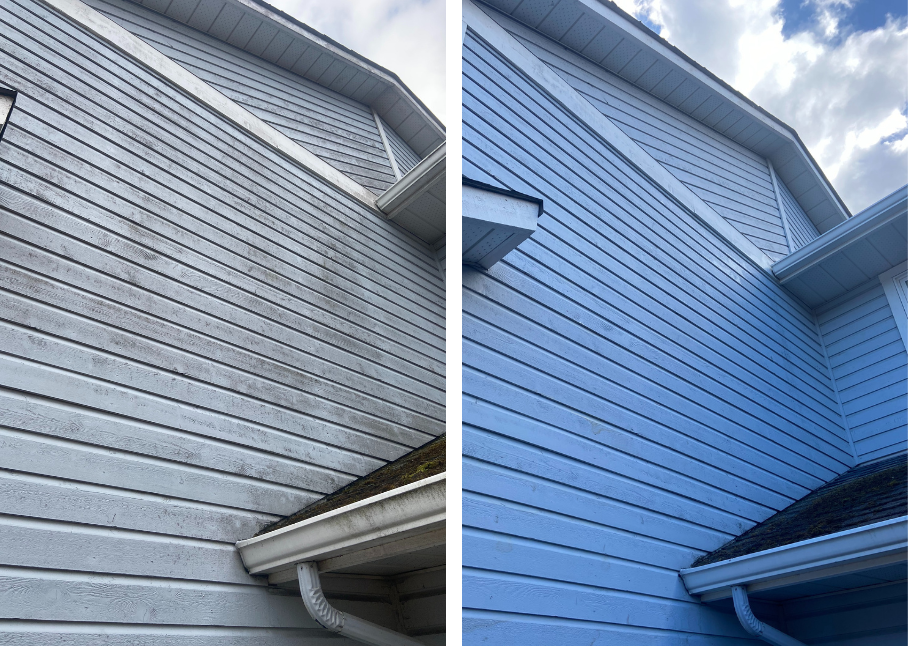
Your home’s exterior faces constant assault from British Columbia’s coastal climate. If you’re comparing soft washing vs pressure washing, the goal isn’t just better curb appeal. It’s also about protecting your house and avoiding costly repairs. With damp winters, organic growth, and built-up grime, choosing the right method isn’t just about looks. It helps protect one of your biggest investments. Two powerful cleaning methods dominate the exterior maintenance world: soft washing and pressure washing (sometimes called power washing). For many homeowners, people also refer to this service as power washing. Knowing when to use each approach can help you protect your house and keep it looking great. It can also prevent costly damage and repairs.
What’s the Key Differences Between Soft Washing and Pressure Washing?
The fundamental distinction lies in water pressure and cleaning approach. If you’re researching the main difference between pressure washing and soft washing, it helps to focus on the key differences: force vs. chemistry and surface safety. The best choice depends on the surface you’re cleaning and the type of dirt you need to remove. That’s why it’s important to pick the most effective cleaning method.
Soft washing uses 500 PSI or less, similar to a garden hose. It uses biodegradable cleaning solutions to break down dirt, mold and algae, and built-up grime. The chemicals do the heavy lifting, not the water pressure, which supports effective cleaning with less risk of damage.
Pressure washing uses strong water pressure—usually 1,500 to 4,400+ PSI. It relies on force to remove stubborn grime, grease, and deep stains. Pressure washing mainly cleans through force. It can use detergents, but high-pressure water does most of the work.
Soft washing is the gentle option for your house. Pressure washing is the heavy-duty choice for surfaces that can handle strong force.
Below are the ideal applications for each method, so you can match the service to the surface.
What is Soft Washing?
Soft washing transforms exterior cleaning by combining low-pressure water application with professional-grade cleaning solutions. Soft washing method safely removes contaminants that traditional cleaning methods often struggle with. This is especially true for organic growth that can feed on your home’s materials.
The cleaning process follows a systematic approach. Professionals pre-wet the surface to loosen surface dirt. Then they apply specialized cleaning solutions using low pressure sprayers and a low-pressure pump system. These biodegradable chemicals penetrate deep into porous surfaces, killing algae, moss, lichen, and mold at their roots—including problem growth like mildew. Technicians let the solution sit for 10–15 minutes to break down the growth. Then they rinse everything off with gentle, low-pressure water, usually around 100 PSI. Some homeowners ask about using bleach, but pros typically use safer, properly diluted solutions designed for exterior materials and nearby plants.
This method works well on delicate surfaces like vinyl or cedar siding. It’s also a good choice for asphalt shingles, wood shakes, brick, stucco, and painted surfaces such as siding. It’s also great for decks, patios, and fences, and other various surfaces around the home. These cleaning solutions remove visible stains and kill organic growth at the root. This helps prevent quick regrowth and keeps surfaces cleaner longer than pressure washing.
Pros and Cons of Soft Washing Method
Advantages:
Minimal damage risk: Low-pressure application protects delicate materials like wood siding, shingles, and windows. It helps prevent the gouging and etching high-pressure water can cause.
Eco-friendly approach: Most soft washing solutions are biodegradable and safe for landscaping, pets, and family members, making this an environmentally responsible choice.
Superior for organic stains: Soft washing works better than pressure washing against algae, moss, mildew, and mold. The cleaning solutions kill growth at the source instead of just rinsing it off for a short-term fix. This includes stubborn mildew buildup.
Longer-lasting results: By eliminating growth at the root level, soft washing keeps surfaces cleaner four to six times longer than pressure washing alone.
Extends material lifespan: Soft washing removes harmful organisms that actively deteriorate roofing materials and siding, helping extend your home’s exterior life by years.
Disadvantages:
Requires specialized solutions: Unlike pressure washing’s water-only approach, soft washing depends on purchasing professional-grade cleaning chemicals.
May need repeat applications: Heavily soiled surfaces or deeply set stains might require a second treatment or more concentrated solutions for complete removal.
Slower process: The pre-treatment, dwell time, and gentle rinsing mean soft washing takes longer than blasting surfaces with high-pressure water.
Not ideal for all stains: Soft washing is great for organic growth. But it may not remove tough non-organic stains like paint splatters, rust, heavy oil, or deep grease.
What is Pressure Washing?
Pressure washing harnesses the raw power of highly pressurized water to obliterate stubborn dirt, grime, grease, and deeply embedded stains. This method connects to a standard water source. A powerful engine pressurizes the water, then sends it through specialized nozzles to create a concentrated cleaning stream. A typical pressure washer—sometimes called a power washer—uses a high-pressure pump to create that forceful spray.
Pressure washing often uses 3,000 PSI or more for homes. This strong stream reaches deep into pores and crevices to remove buildup that gentler methods can’t. Pressure washing (also called power washing) works best on tough, durable surfaces where strong cleaning power is needed. It’s especially useful for hard surfaces like concrete driveways, stone walkways, brick patios, and metal fences.
Pressure washing excels on tough jobs: pressure washing is ideal for tough jobs. It can remove oil stains from driveways, strip years of grime from concrete patios, and clear heavily soiled walkways. It also helps prep surfaces for painting or staining and can remove graffiti on the right surfaces. Many homeowners still call these tougher jobs “power washing” when they want maximum force. This is especially common for different surfaces that are hard like concrete and stone.
Pros and Cons of Pressure Washing
Advantages:
Fast and efficient cleaning: Pressure washing cleans large, dirty areas much faster than manual scrubbing. That makes it a great choice for driveways, patios, and walkways.
Deep cleaning power: The high-pressure stream reaches into cracks, crevices, and surface pores, removing embedded dirt and contaminants that other methods miss.
Versatile applications: From concrete and stone to brick and metal, pressure washing handles multiple surface types with appropriate pressure adjustments.
Excellent for tough stains: Oil stains, rust, paint splatters, and deeply embedded grime surrender to pressure washing’s forceful approach.
Disadvantages:
Significant damage risk: Using the wrong pressure, nozzle, or technique can cause serious damage. It can gouge wood, strip paint, crack concrete, etch surfaces, force water behind siding, or even dislodge shingles.
Safety hazard: The water stream is about 100 times stronger than a garden hose. It can cause serious injuries each year, including cuts, eye injuries, punctures, and bruises.
Can worsen existing problems: High pressure on loose paint causes more extensive peeling, while damaged or weathered surfaces deteriorate faster under aggressive cleaning.
Water consumption: Pressure washing uses significantly more water than soft washing, raising environmental and cost concerns.
Not suitable for delicate surfaces: Vinyl siding, asphalt shingles, painted surfaces, wood decking, and stucco all risk damage from high-pressure water streams.
How You Know It’s Time for a Wash
Your home broadcasts clear signals when exterior cleaning becomes necessary. Watch for these telltale signs:
For Soft Washing:
- Green, black, or brown streaks appearing on your roof or siding indicate algae or organic growth
- Dark, leafy debris clogging gutters suggests moss and organic matter accumulation
- Decks or patios looking dull and discolored despite no obvious staining
- Vinyl siding appearing dingy, faded, or showing unusual discoloration
- Cobwebs and dust stubbornly clinging to painted surfaces
- Weathered wood shakes that have lost their luster
- Black streaks on your roof caused by algae feeding on shingle materials
- Musty odors from mold growth on exterior surfaces
For Power Washing:
- Unsightly oil stains dominating your driveway
- Rust overtaking metal siding, fences, or outdoor fixtures
- Paint splatters disrupting the clean appearance of walkways or patios
- Concrete surfaces buried under layers of accumulated grime
- Walkways resembling forgotten paths due to heavy dirt and moss buildup
- Graffiti marking your exterior walls or fences
Beyond aesthetics, watch for functional issues. Rising energy bills can be a sign of exterior buildup. It can affect temperature control and make your heating and cooling systems work harder. Overflowing gutters signal clogs that prevent proper drainage, potentially causing roof and foundation damage far costlier than preventive cleaning.
Most homes benefit from professional soft washing every 2–3 years. In humid areas, heavy shade, or spots with lots of trees, annual cleaning may be better. Pressure washing typically suits an annual schedule for driveways, patios, and walkways, depending on usage and environmental conditions.
Why Hire a Professional Pressure Washer?
DIY exterior cleaning can seem cheaper at first. But professional service often delivers more value because it’s safer, uses better equipment, and lasts longer.
Experience and Surface Knowledge
Professional exterior cleaners possess specialized knowledge about different materials and appropriate cleaning methods. They understand that what works beautifully on concrete will destroy vinyl siding. They recognize when soft washing protects your investment and when pressure washing solves the problem efficiently. A pro’s expertise helps you avoid costly DIY mistakes. It can prevent stripped paint, gouged wood, damaged shingles, and water getting behind siding that can lead to hidden mold. They also know how to use different techniques for different materials without creating damage.
Advanced Professional Equipment
Commercial-grade equipment dramatically outperforms consumer rental units. Professional soft washing systems deliver precisely calibrated pressure and chemical mixtures that consumer equipment cannot replicate. Their pressure washers feature adjustable settings, specialized nozzles, and safety mechanisms absent from rental machines. For high or difficult-to-access areas, professionals deploy boom trucks and extension equipment that keep work safe and efficient.
Safety First Approach Dealing with Roofs
Exterior cleaning causes hundreds of injuries annually. High-pressure water streams can lacerate skin, cause serious eye injuries, and create puncture wounds. Falls from ladders while attempting roof cleaning or high siding cleaning lead to serious injuries and even fatalities. Professional teams arrive with proper protective equipment, comprehensive insurance coverage, and years of training in safe equipment operation. They follow strict safety protocols that protect both workers and your property.
Eco-Friendly Cleaning Solutions
Professional services use biodegradable detergents and biodegradable cleaners and to remove contaminants effectively. These products also help protect your landscaping, local waterways, and wildlife. They understand proper chemical dilution ratios and disposal methods, ensuring regulatory compliance while safeguarding the environment.
Time and Convenience
Exterior cleaning consumes entire weekends—or longer for larger properties. Between equipment rental, learning proper technique, and the actual labor, DIY projects quickly become overwhelming. Professional teams complete in hours what would take homeowners days, freeing your time for activities you actually enjoy.
Long-Term Exterior Protection and Value
Professional cleaning extends your home materials’ lifespan by removing harmful organisms and preventing moisture-related damage. Regular professional maintenance prevents the premature deterioration that leads to expensive repairs or replacement. This proactive approach protects your property value and ensures your home remains attractive to future buyers.
Consistent, Quality Results
Professional exterior cleaners guarantee uniform, thorough cleaning without the missed spots, streaking, or uneven results common with DIY attempts. Their experience ensures every corner receives appropriate attention, helping clean surfaces in a way that looks even and professional.
Cost-Effectiveness Over Time
While professional services require upfront investment, they prevent the costly damage that DIY mistakes cause. Replacing damaged siding, repairing water infiltration, or addressing accelerated material deterioration from improper cleaning far exceeds professional service costs. Additionally, preventing long-term buildup through regular professional maintenance reduces the intensity—and cost—of future cleaning needs.
Harrison’s Property Services offers reliable, professional exterior cleaning. With over 15 years of experience, we help protect and beautify homes across Greater Victoria. They are fully insured, WorkSafe BC-certified team specializes in soft washing, pressure washing, window cleaning, gutter cleaning, and moss removal. Harrison’s Property Services focuses on eco-friendly cleaning, on-time service, and customer satisfaction. We make sure your home gets the expert care it deserves. They focus on quality, ongoing improvement, and professional standards. That’s why homeowners who value their investment trust them for complete outdoor cleaning.
Choosing between soft washing and pressure washing depends on your surfaces and the buildup you’re dealing with. Your home’s age and condition also matter. Both methods have benefits. A professional can choose the best method for your needs and help protect your investment. They can also deliver a clean, beautiful exterior, using a gentler approach when it makes sense. If you have questions, a trusted local pro can point you to the safest option for your property.