
The short answer? Most houses need some form of surface cleaning before exterior painting, but pressure washing isn’t always the safest or most effective method. Paint needs a stable, clean substrate to bond. If the existing surface carries a layer of airborne dirt, oxidized chalk, or biological growth, that layer sits between the old finish and the new coating—and it becomes the weak point where peeling starts.
We’ll walk through what really matters: why a clean surface is non-negotiable, when pressure washing is the right call, when it can do more harm than good, and how to make the best decision for your specific siding.
Why Surface Prep Matters Before Exterior Painting
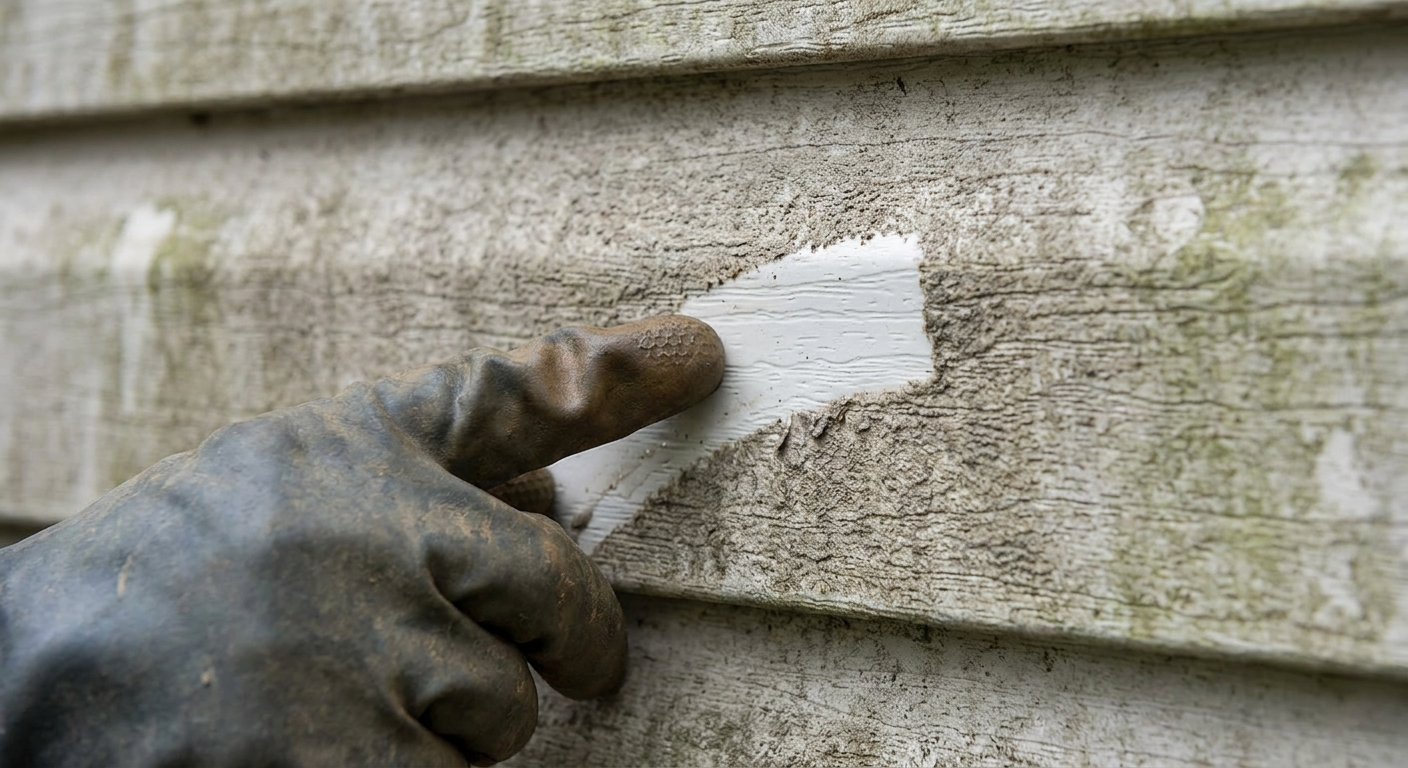
Exterior paint does not just sit on the surface; it grips through a combination of mechanical and chemical bonding. For that bond to form, the surface must be free of contaminants that prevent direct contact. Dirt, dust, pollen, and grime act like a barrier layer. Even when a paint film feels smooth, microscopic debris can weaken the interface.
The role of a clean surface in paint adhesion
Clean siding allows the new primer or paint to reach the actual material. On wood, that means fibres can absorb the coating slightly, creating a mechanical lock. On vinyl or aluminum, a clean surface helps the finish lay flat without trapping particles that cause bubbling or flaking. Any residue left behind becomes a release layer.
How dirt and grime cause paint failure
When paint is applied over dirt, the coating initially looks fine. After a few months, thermal expansion and contraction cause the paint film to flex. If the film is anchored to a layer of dust instead of the siding itself, the stress concentrates at that weak point. The result is cracking, peeling, and patches where the new paint slides off with the old grime.
Impact on paint longevity and appearance
A properly cleaned and prepared exterior routinely adds years to a paint job. Beyond adhesion, a clean surface also improves the final appearance: no lumps, specks, or streaks from embedded debris. More importantly, removing mildew and algae before painting prevents those organisms from growing through the new finish and creating dark stains within a single season.
When Pressure Washing is Recommended for Paint Prep
Pressure washing is a tool, not a default step. We recommend it when the exterior has a substantial layer of contamination that a garden hose or simple wipe-down cannot remove. The goal is to clean without damaging—so the decision hinges on the type and amount of buildup.
Heavy grime and environmental buildup
Homes near busy roads, construction sites, or agricultural areas collect a film of exhaust soot, dust, and pollen. This film can be greasy or sticky, making it difficult to remove by hand. A low- to medium-pressure wash with the right nozzle and detergent can cut through that layer efficiently, leaving a surface that paint can grip.
Mildew, mold, or algae stains
Dark spots on shaded walls, under eaves, or on north-facing sides are usually biological growth. Mildew and algae not only look bad—they release acids and moisture that degrade paint and can bleed through new coatings. Pressure washing, often combined with a cleaning solution, removes the visible growth. However, the underlying spores must also be treated, or they will return quickly.
Peeling or chalking existing paint
When old paint is chalky or has begun to flake, pressure washing can remove loose, oxidized material faster than scraping alone. The key is to use just enough pressure to lift failing paint without gouging the substrate. After washing, any remaining tight edges still need scraping and sanding, but the bulk of the loose debris is gone.
Post-construction dust and debris
Renovations and new builds leave a fine layer of drywall dust, sawdust, and masonry residue on exterior walls. This dust prevents paint from sticking and can cause a gritty finish. Pressure washing is often the fastest way to get back to a clean, sound surface before applying primer and paint.
Risks of Pressure Washing Your House
Pressure washing is not universally safe. The same force that removes grime can drive water into places it should not go or damage certain materials. Understanding these risks helps you decide when to avoid it or use a gentler alternative.
Water intrusion and moisture damage
High-pressure spray can force water behind siding, under window trim, and into wall cavities. On wood-frame homes, this trapped moisture can soak insulation, warp drywall, and promote hidden mold. Once water gets in, it is difficult to dry before painting, and sealing it in with new caulk and paint can make the problem worse.
Damage to wood and soft siding materials
Wood siding, especially older or weathered boards, is vulnerable. A stream above 1,500 psi held too close can fur the grain, splinter the surface, or blast away soft fibres. The result is a rough, damaged surface that requires extra sanding—or board replacement—before it can be painted.
Erosion of mortar and brick joints
Brick and stone may seem tough, but old lime-based mortar is soft. High pressure can erode mortar joints, leaving gaps that allow water penetration and undermine the wall. Repointing damaged joints is expensive and avoidable by using lower pressure or alternative cleaning methods.
Disturbing lead-based paint hazards
On homes built before 1978, the existing paint may contain lead. Blasting it with high-pressure water creates chips and dust that contaminate the soil and can be inhaled. Safe lead-paint handling requires specialized containment and disposal methods; pressure washing is generally not an approved technique for lead-paint removal.
Siding-Specific Pressure Washing Guidelines
Different siding materials react differently to pressure. What works for vinyl may dent aluminum or etch stucco. Before any washing, we identify the siding type and consult the manufacturer’s care instructions, because the warranty often depends on using the right cleaning method.
Vinyl siding: low pressure and proper technique
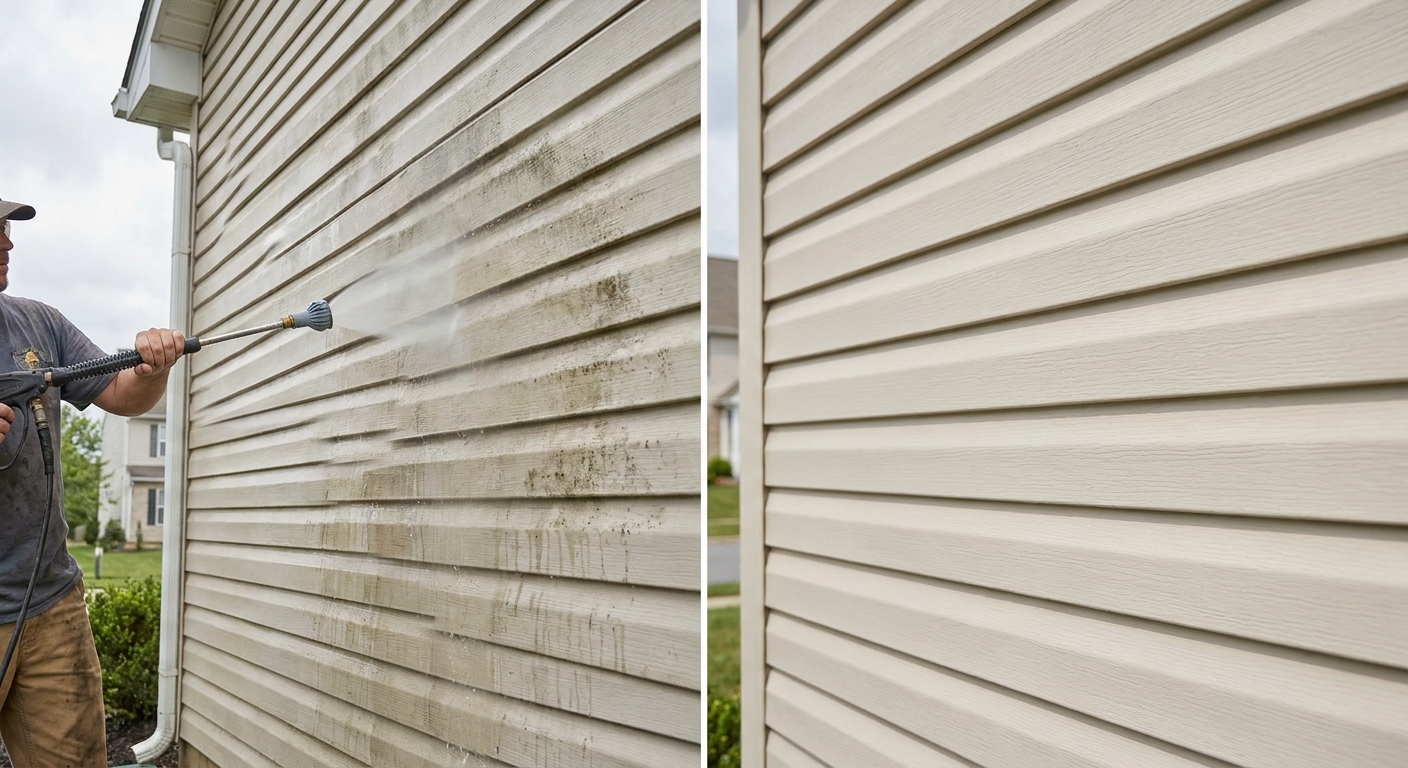
Vinyl is relatively forgiving but not indestructible. Use a wide-angle nozzle, keep the wand moving, and stay at least 12 inches from the surface. Pressure should be low enough to remove dirt without bending or cracking the panels. Cleaning from the bottom up with detergent, then rinsing from the top down, prevents streaking.
Wood siding: caution and alternative methods
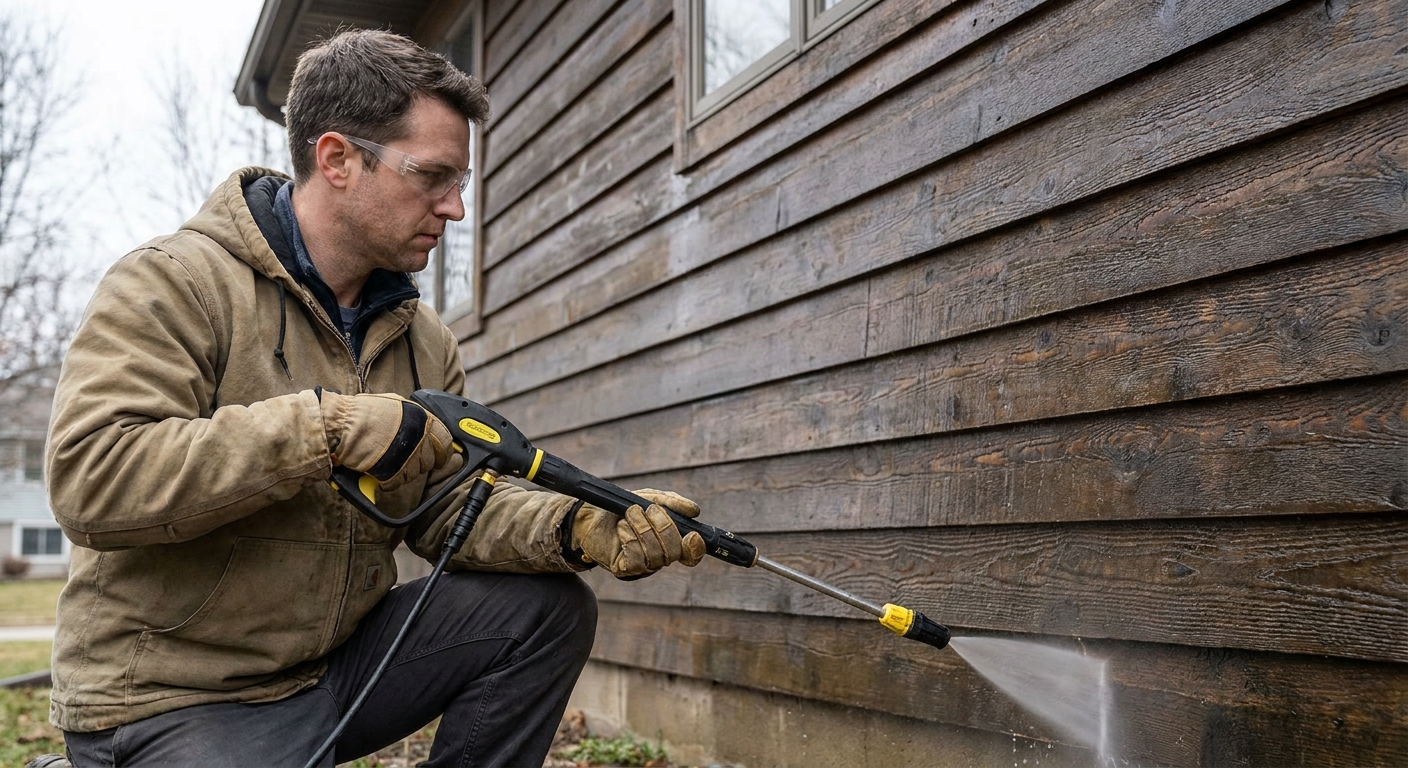
Wood is the material most likely to be damaged by high pressure. If pressure washing is necessary, use the lowest effective setting, hold the nozzle at a safe distance, and work with the grain. For older or softer wood, manual scrubbing with a soft brush and mild detergent is often a safer prep step.
Aluminum and metal siding: avoiding dents
Aluminum siding is thin and dents easily under high pressure. Start with a wide fan nozzle at the lowest pressure, test in an inconspicuous area, and avoid concentrated streams. For stubborn stains, increase pressure gradually only after confirming the metal can handle it.
Stucco and masonry: issues with high pressure
Stucco, brick, and block have porous surfaces that can be etched or eroded by aggressive washing. A pressure setting above 1,500 psi can blast away the surface texture of stucco or weaken mortar joints. Soft washing with a cleaning solution and low-pressure rinse is usually the better choice.
Composite or engineered wood: manufacturer recommendations
Composite siding and engineered wood products often have specific cleaning and care requirements. Some manufacturers allow low-pressure washing; others recommend only a garden hose and soft brush. Always check the warranty before using any pressure equipment, because the wrong method can void coverage.
Alternatives to Pressure Washing for Paint Preparation
When pressure washing is too risky, several other preparation methods can get a surface clean and ready for paint. The choice depends on the siding material, the type of contamination, and the condition of the existing finish.
Manual scrubbing with cleaning solutions
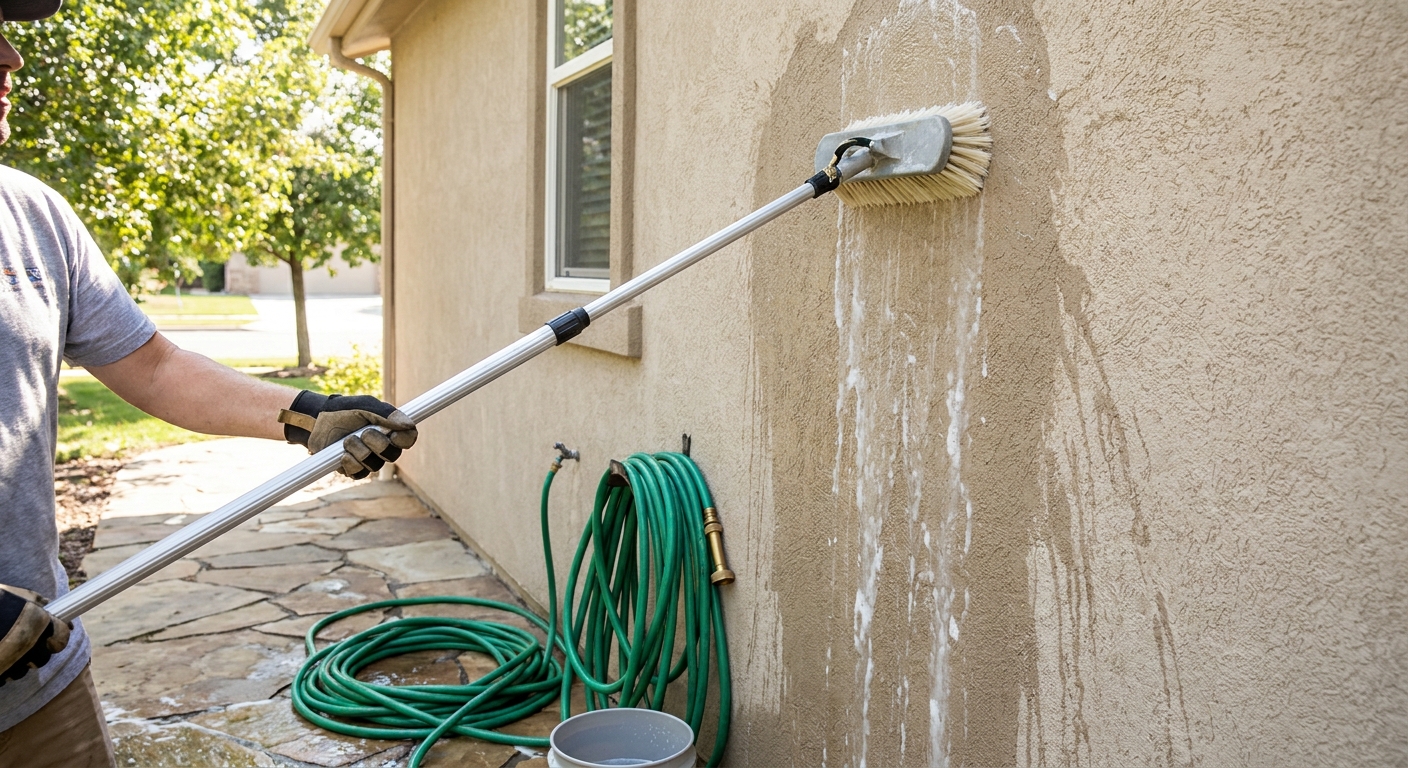
A bucket, a long-handled soft-bristle brush, and a mild detergent can remove most surface dirt and mildew. This method gives complete control over pressure and moisture, making it ideal for fragile wood, older homes, and areas with gaps that could let water in.
Low-pressure soft washing systems
Soft washing uses a high-volume, low-pressure pump to apply cleaning solutions. The chemicals do the work of dissolving grime and killing mildew, while the rinse pressure stays under 500 psi—similar to a garden hose. This is often the safest way to clean stucco, masonry, and painted surfaces before repainting.
Chemical treatments for mold and mildew
A diluted bleach or oxygen-based cleaner can kill mildew and algae at the root. Applying the solution with a pump sprayer, allowing dwell time, and then rinsing with low pressure removes biological growth without the force of a pressure washer. We always pre-wet nearby plants and rinse them afterward to prevent damage.
Mechanical sanding and scraping
For loose or peeling paint, sometimes the better prep step is physical removal. Scrapers, sanders, and wire brushes take off failing coatings without driving water into the wall. After mechanical removal, the surface can be wiped down with a damp cloth or lightly hosed to remove dust, then primed.
Making the Right Choice for Your Home
The short answer to ‘Does my house need to be pressure washed before exterior painting?’ is usually yes—but not always with high pressure. The right choice is a cleaning method that removes contaminants without damaging the siding or trapping moisture.
Evaluating the condition of your exterior
Start by walking around the house and looking closely at the siding. Is there visible dirt, chalk, or mildew? Are the surfaces smooth or already flaking? Is there any sign of wood rot, cracked caulk, or loose boards? Those observations tell you whether cleaning is needed and how aggressive it can be.
- Check for chalky residue by running a hand over the siding
- Look for dark spots or green growth on shaded walls
- Inspect around windows and trim for gaps or peeling paint
Balancing benefits and risks
For a relatively clean, newer home, a simple wash with a garden hose and mild detergent may be enough. For a heavily soiled home with sound vinyl or fiber cement, a low-pressure wash is efficient and safe. For older wood or stucco, the risk of water intrusion and surface damage often outweighs the convenience of high pressure.
When to consult a professional painter
If you are unsure about your siding material, the presence of lead paint, or the right pressure setting, a professional assessment can prevent costly mistakes. We base every prep decision on the specific siding material and its current condition. We treat every home with the same care and respect we would expect for our own.
If you’re planning an exterior repaint and want a prep method tailored to your home’s surfaces, reach out for a customized recommendation.